The Halloween Streetwear Fits That Are Completely Taking Over Everyone’s Feed Right Now
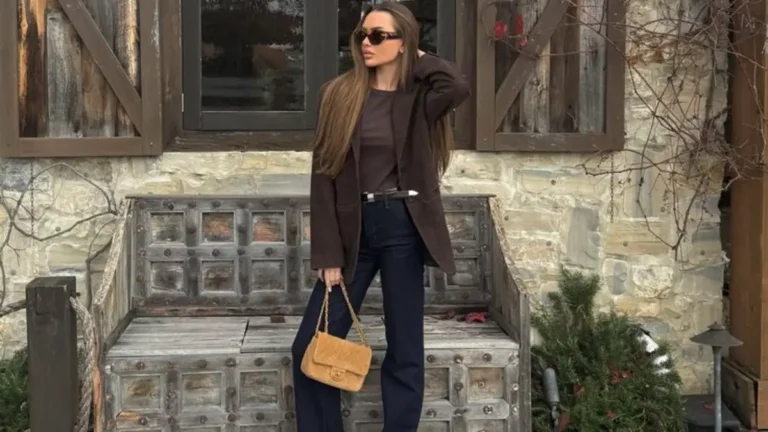
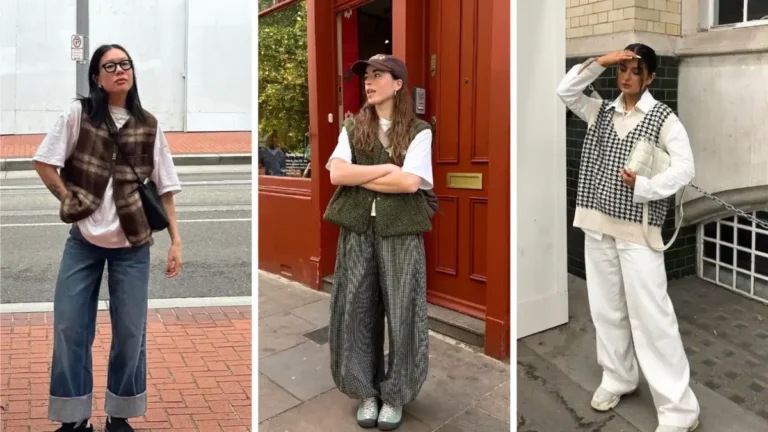
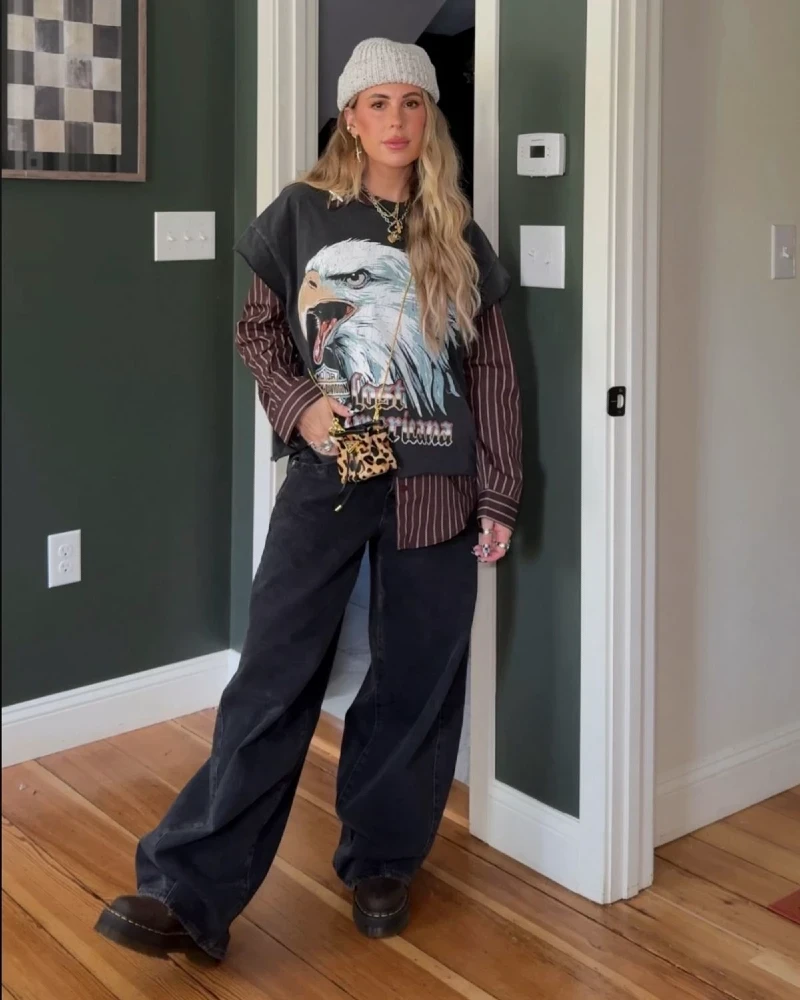
Scroll through Pinterest this week, and you’ll notice something. The same silhouette keeps showing up. Oversized graphic tee, an open flannel or worn-in jacket layered over top, cargo pants pooling slightly at the ankle, chunky boots underneath.
No fangs. No face paint. No pointed hat. Just clothes that somehow read as Halloween without anyone announcing it. It shows up in coffee shop photos, in campus outfit shots, in random mirror selfies that have nothing to do with a party or a costume theme.
Nobody captions these posts Halloween outfit. They don’t need to. The graphic, the palette, and the layering already say it. That’s the trend everyone’s saving right now, and once you see the pattern, you can’t unsee it.
The Halloween Streetwear Fits That Are Completely Taking Over Everyone’s Feed Right Now
Why Costumes Got Replaced By Clothes?
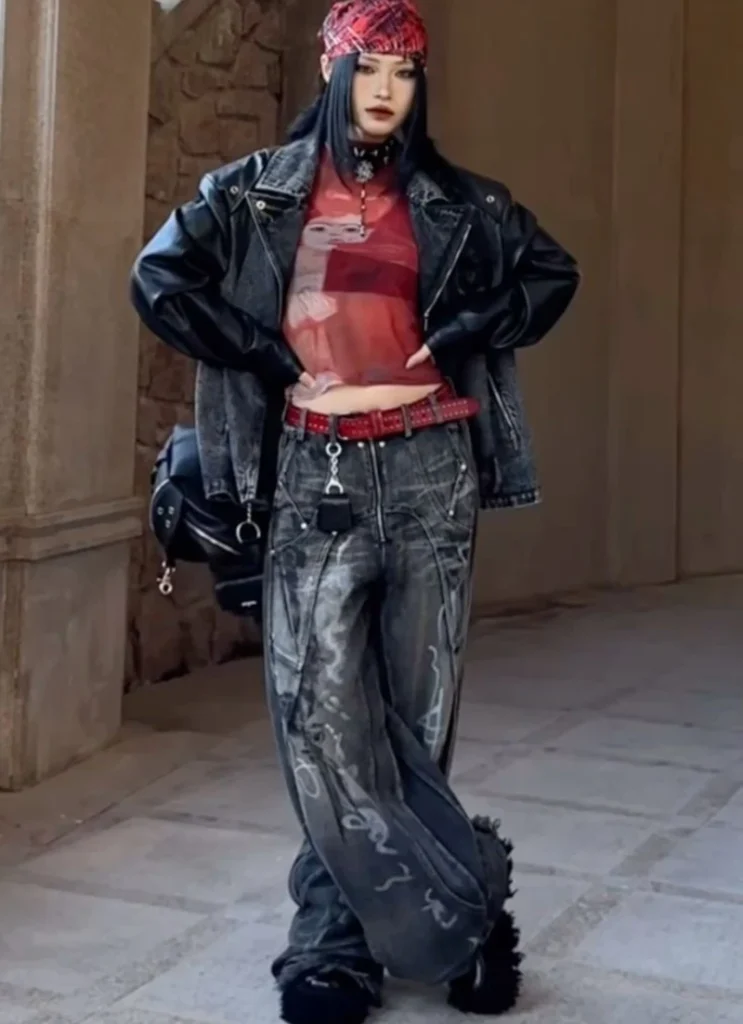
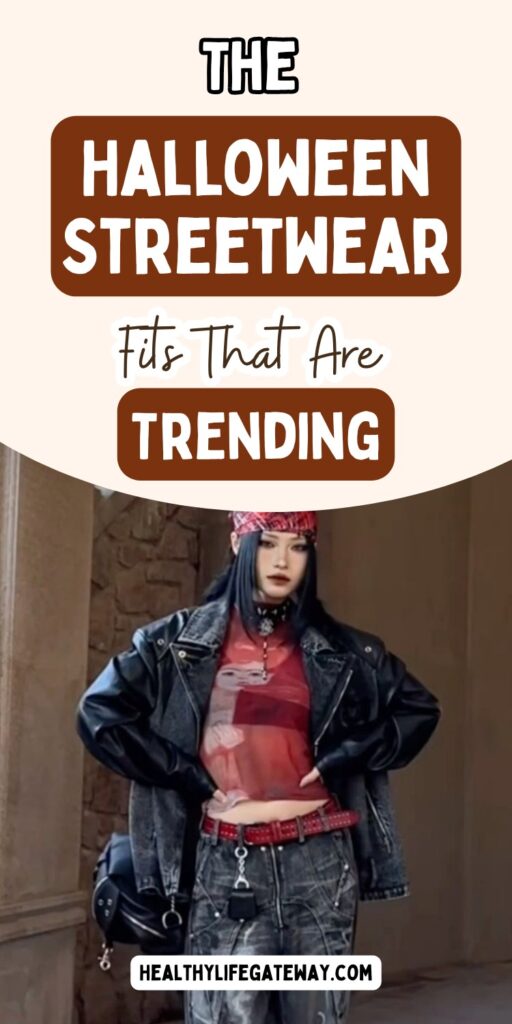
For years, Halloween style on Pinterest meant literal costuming: full looks built around a character or a concept, worn once and packed away. What’s showing up now is different. It’s streetwear that references horror instead of performing it. A graphic tee doing the work a mask used to do.
A distressed jacket standing in for a full outfit change. Part of this comes from streetwear’s broader grip on everyday fashion. Oversized fits, layered pieces, and graphic tees have already been the default for casual dressing well outside of October. Halloween didn’t invent this silhouette.
It borrowed one that was already dominating feeds and gave it a seasonal edge. The other part is practical. A costume gets worn for one night. A hoodie with a horror-adjacent graphic gets worn all winter.
Pinterest users are drawn to content they can actually use, not just admire, and a look that survives past October 31st earns a save in a way a rubber mask never will.
Where This Trend Comes From?
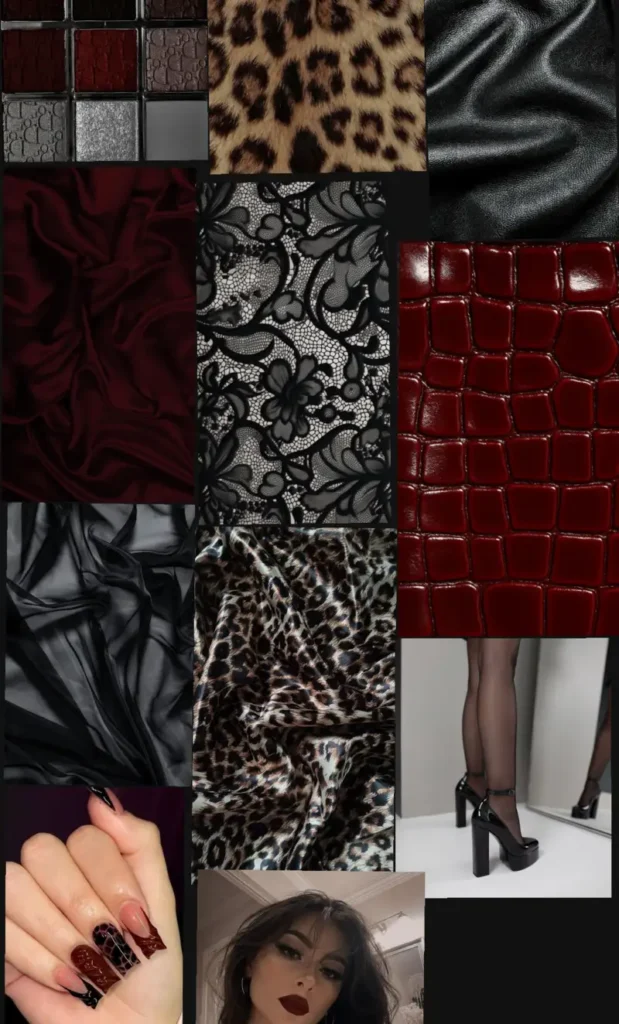
This shift didn’t happen overnight. Halloween content on Pinterest has been drifting away from novelty for a few seasons now, moving from full costume tutorials toward outfit inspiration that borrows Halloween’s mood without borrowing its literalism.
Face paint tutorials and character breakdowns have slowly given ground to moodboards built around color, texture, and silhouette instead. Streetwear was the natural landing place for that shift. It already had the visual language this trend needed: oversized proportions, graphic-heavy tees, layered outerwear.
Halloween didn’t need to invent a new aesthetic. It just needed to borrow one that was already saturating feeds and tilt it toward horror through color and imagery instead of costume pieces. That’s why this trend feels less like a seasonal microtrend and more like an extension of how people were already dressing.
What Actually Makes This Read As Streetwear, Not Costume
The line between Halloween costume and Halloween streetwear comes down to a handful of specific choices, and they’re worth breaking down individually.
1. Oversized proportion
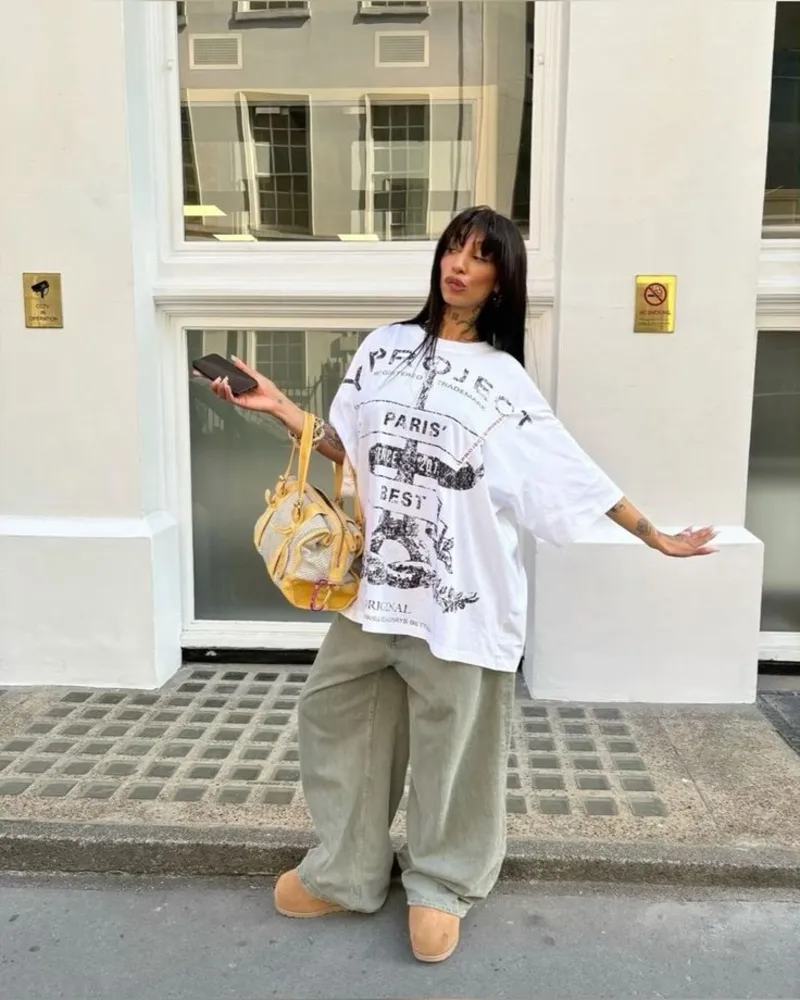
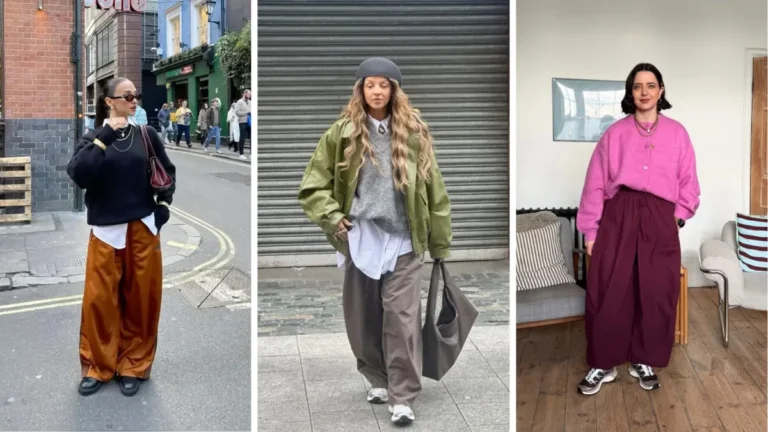
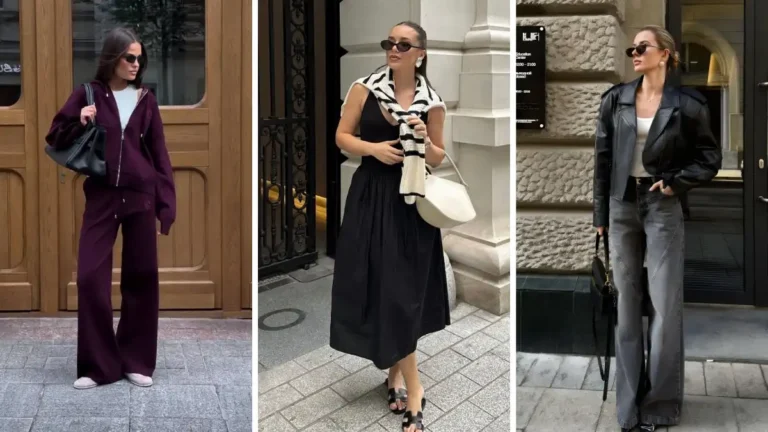
The defining shape here is volume without shapelessness. Tees run a size or two big. Outer layers sit loose through the shoulders. This isn’t sloppy dressing: it’s a deliberate contrast against the body underneath, and it’s the same proportion play that defines streetwear generally.
The key is that only part of the outfit goes oversized. Pair a roomy top with straighter, more fitted bottoms, or a boxy jacket with slim cargo pants, and the silhouette stays balanced instead of shapeless.
2. Graphic tees as the reference point
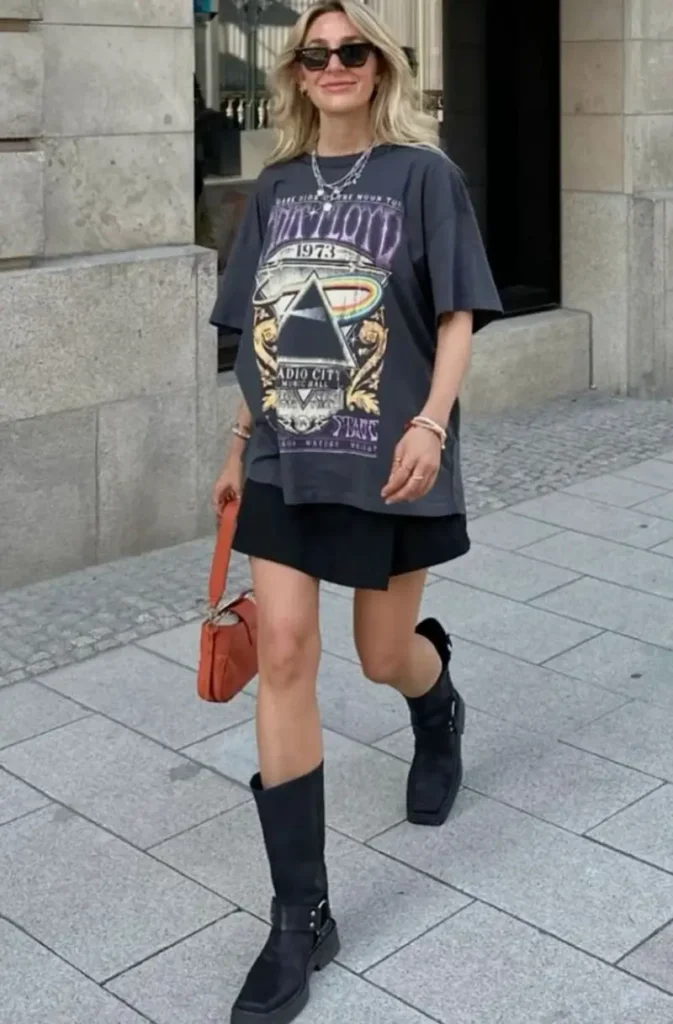
Instead of a costume announcing I am a skeleton or I am a vampire, a graphic tee hints at horror through imagery: a faded print, distressed lettering, a muted illustration.
It’s a suggestion rather than a declaration, which is exactly why it works as regular clothing. You can wear the same shirt in November without anyone asking what you’re supposed to be.
3. Layering and texture
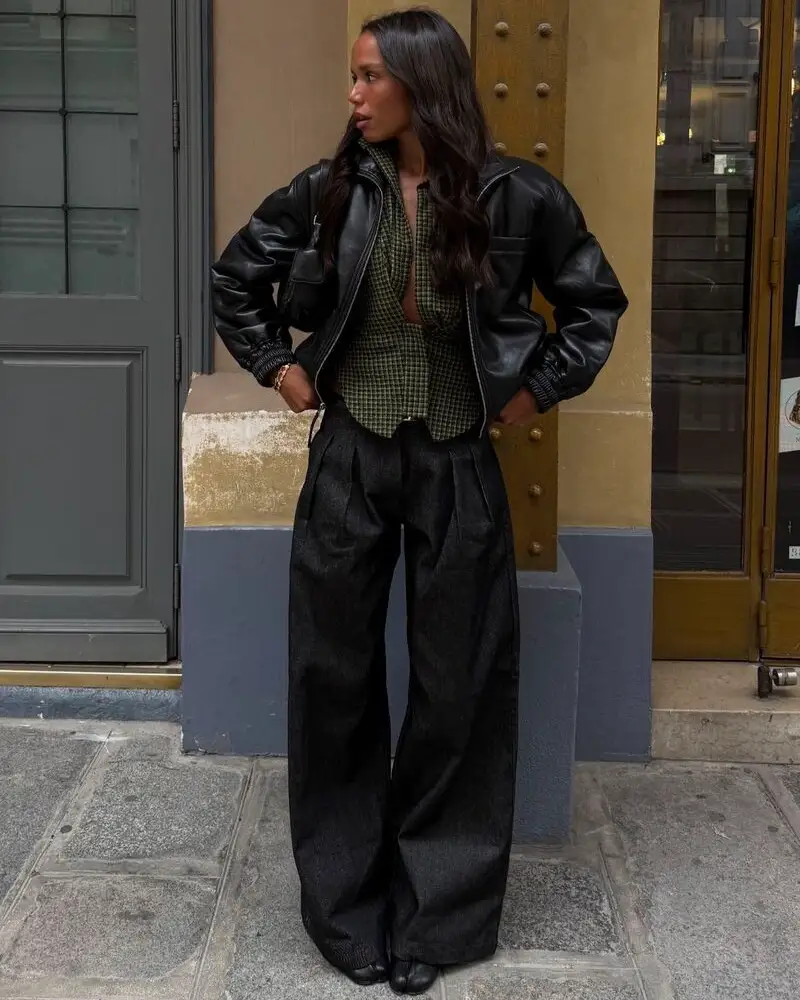
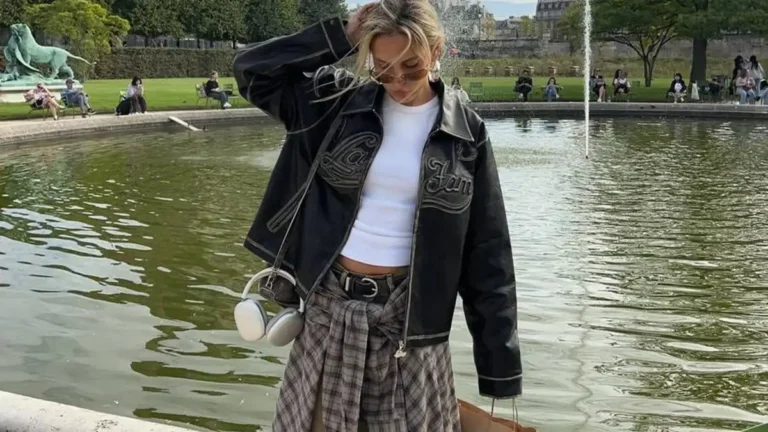
A single flat garment doesn’t hold visual interest the way layered pieces do. An open flannel over a tee, a cracked-leather jacket, a hoodie half-zipped under a coat: each layer adds a different texture, and the slight imperfection of distressing a frayed hem or a worn print gives the outfit an unfinished, lived-in quality that feels current rather than costumey.
4. A restrained palette
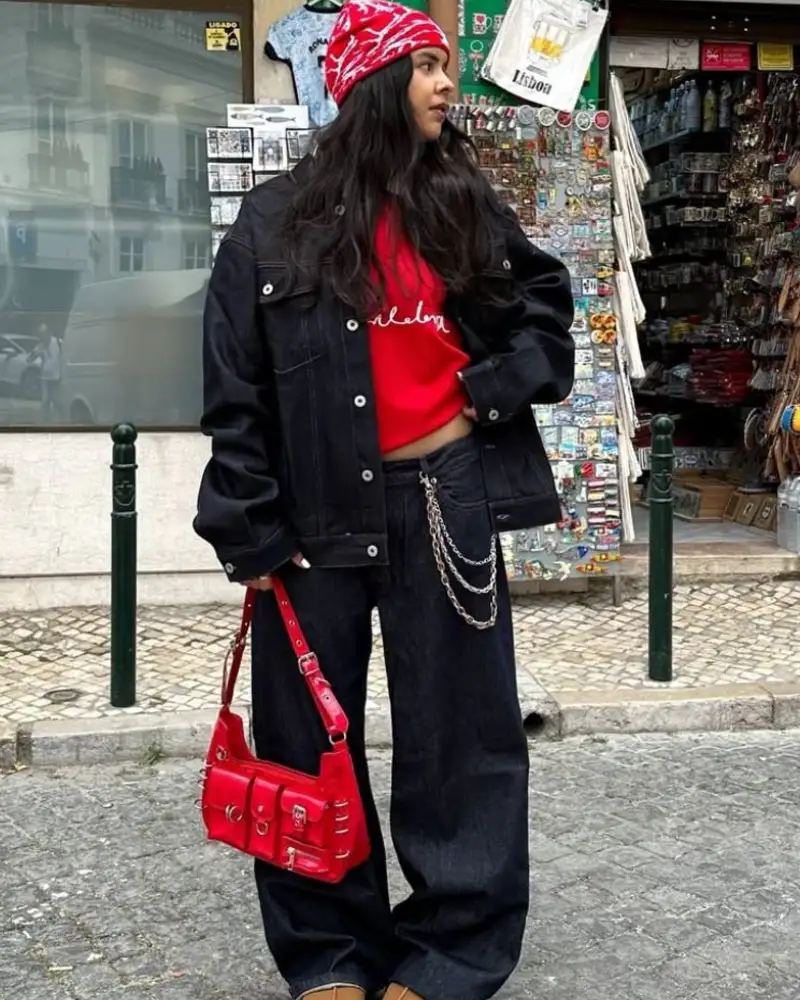
This trend leans into black, deep red, and bone or grey tones rather than the bright orange and purple associated with novelty Halloween merchandise.
That restraint is what keeps it looking like fashion instead of a seasonal display. The color does the horror-referencing work that a costume’s shape usually does, just more quietly.
Putting the Pieces Together
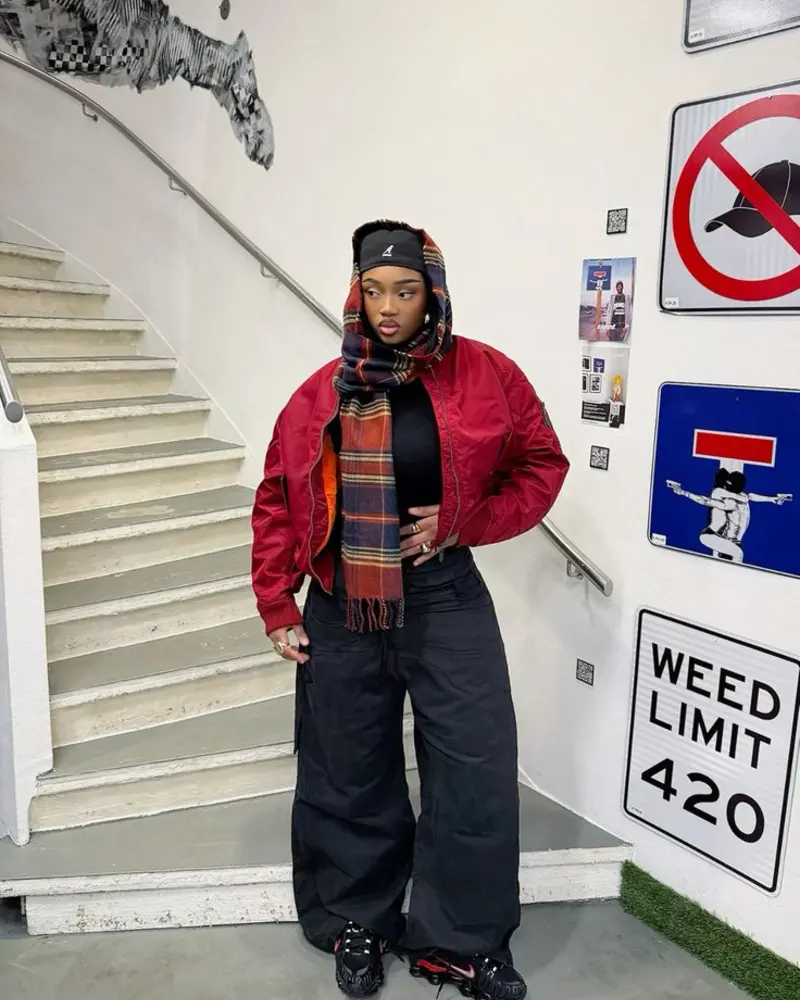
Once you understand the individual elements, building your own version comes down to combining them with the right balance. Start with an oversized graphic tee in black or faded grey, then layer an open flannel or cracked leather jacket over it.
Finish with straight-leg cargo pants and chunky lace-up boots so the bottom half stays defined instead of disappearing into bagginess. For a different take, swap the flannel for an oversized hoodie layered under a longer coat, worn with slim dark denim and boots.
The hoodie carries the graphic element while the coat adds structure. Together they keep the outfit from reading as loungewear despite the loose base layer. If you’d rather skip heavy layering, let accessories do the work instead: a beanie, a chain necklace, or one statement ring over a simple tee and straight jeans.
One or two strong signals are usually enough to carry the reference. In every version, the same rule applies: go big in one place, stay closer to the body everywhere else.
The Accessories Doing the Heaviest Lifting
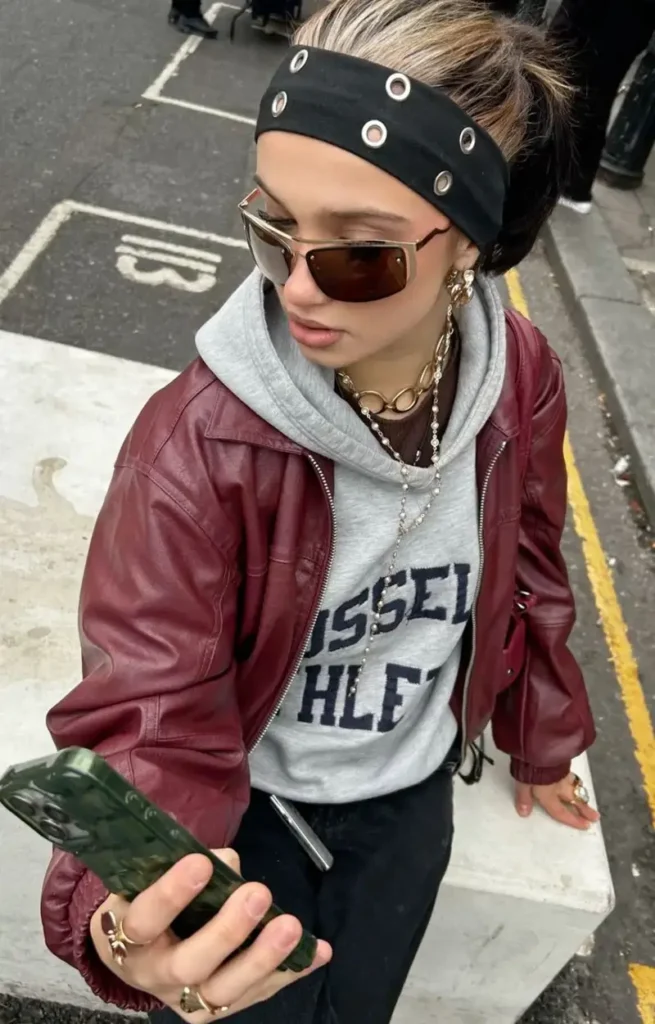
Accessories matter more in this trend than they usually do, because they can carry the entire reference on their own. A chain necklace layered over a plain tee adds an edge without changing the outfit’s proportions. A beanie pulled low does something similar for the silhouette’s top, adding shape without bulk.
Even a single ring or a worn leather bracelet can shift a completely ordinary outfit toward the trend, simply by adding a texture or a detail that feels slightly rougher than a typical everyday accessory. This matters most on days when heavy layering isn’t practical or wanted.
A graphic tee and straight jeans on their own can look unfinished, but the right accessory closes that gap instantly. It’s the fastest way into this trend, and often the easiest to repeat.
The same chain or beanie can anchor several different outfits across the season without ever feeling repetitive, because the base layers underneath keep changing.
It Doesn’t Disappear on November 1st
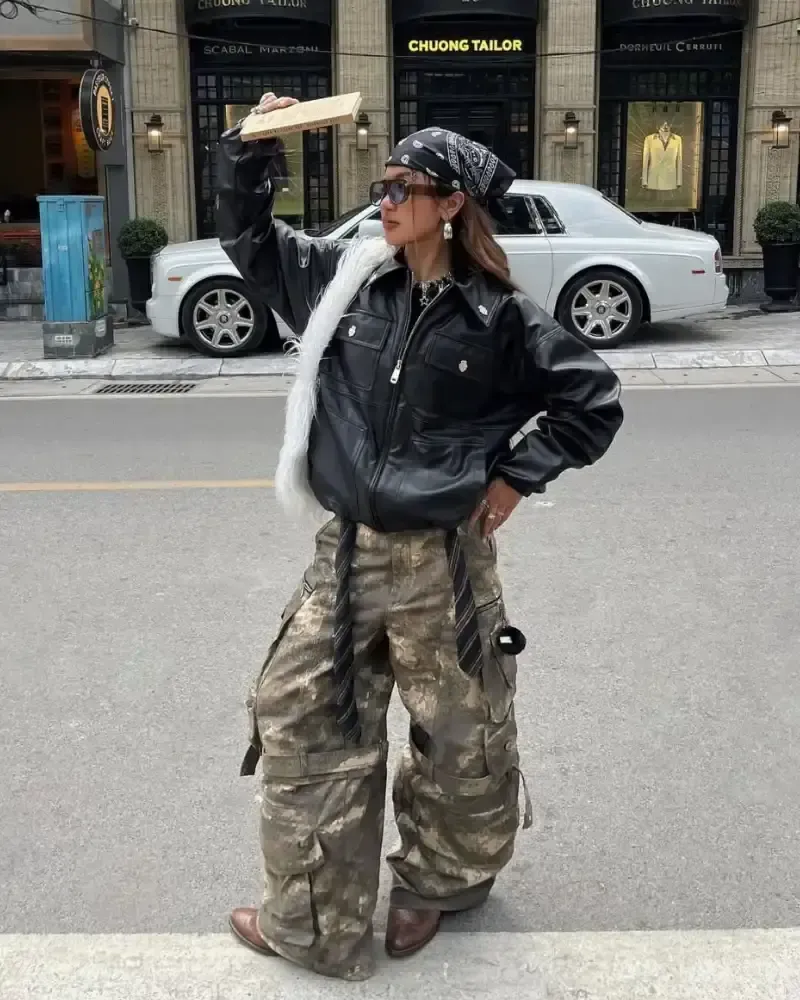
The strongest argument for this trend isn’t its appearance in October. It’s that none of it needs to change in November. A graphic tee, a distressed jacket, cargo pants, and boots are wardrobe staples with or without Halloween attached.
The palette isn’t seasonal either: black and deep red work in December just as easily as they do now. That’s what separates this from a typical costume purchase. You’re not buying something to wear once. You’re building an outfit using pieces you’d already reach for, just angled slightly toward the season.
The Rule Worth Remembering
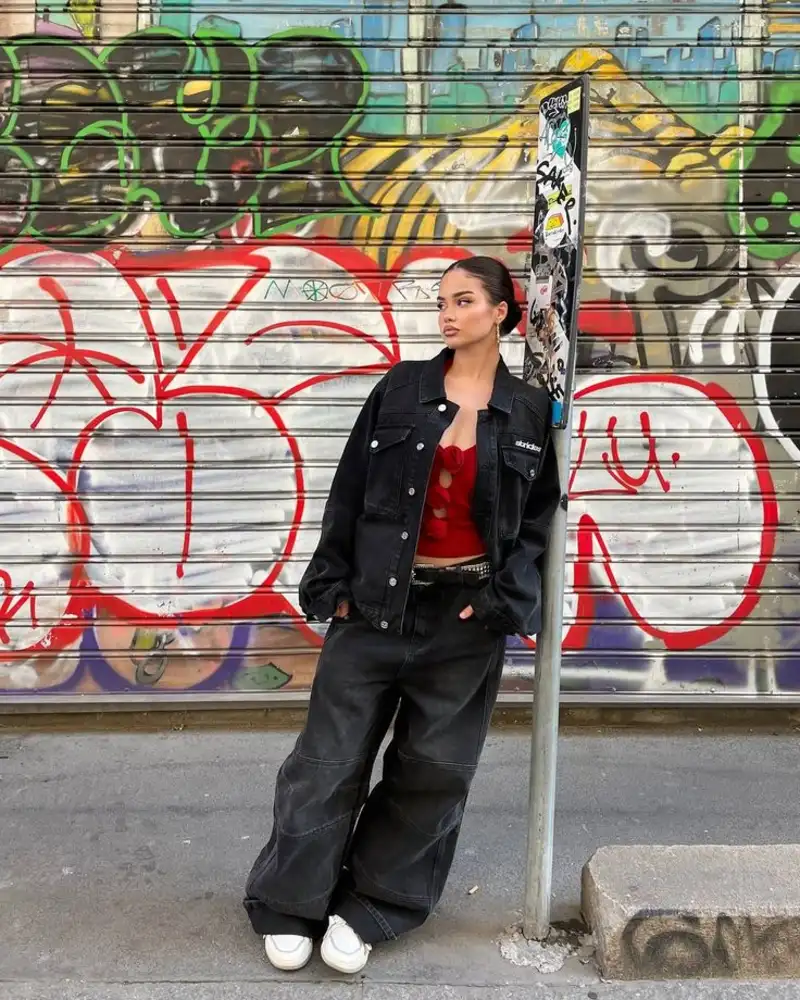
If you want to try this without overthinking it, keep it simple: one oversized piece, one graphic or textural element that hints at the theme, and a palette that stays in black, red, or grey.
Everything else can stay close to what you’d normally wear. You don’t need a costume box for this one. You probably already own half of it.