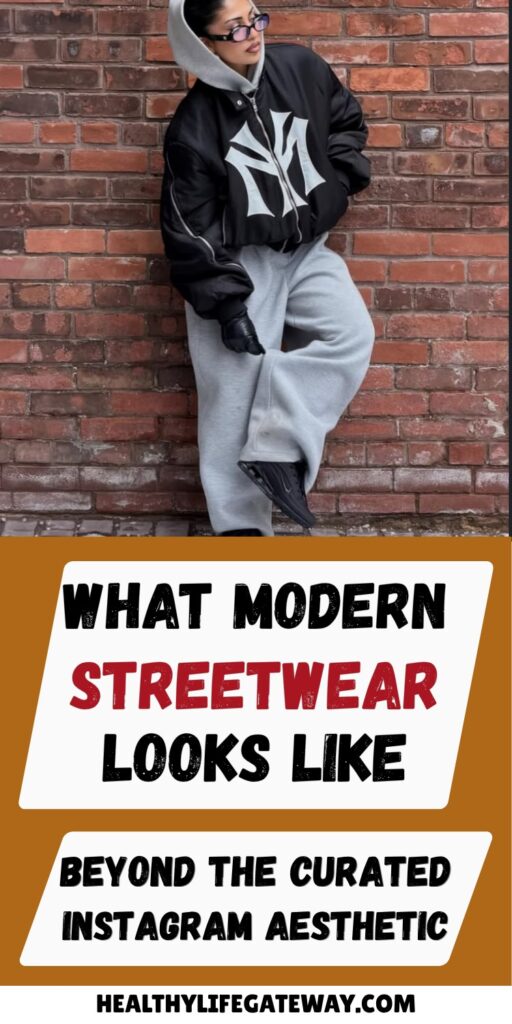
What Modern Streetwear Actually Looks Like in Real Closets: Beyond the Curated Instagram Aesthetic
There’s a specific kind of confusion that comes from saving hundreds of streetwear outfits and then opening your own closet. Nothing matches up the way it does on the feed. Nothing seems to repeat. It starts to doing this style right requires an entirely different wardrobe than the one already hanging in the closet.
It doesn’t. What actually works, day after day, looks almost nothing like what gets posted, and once the difference is visible, the whole style gets a lot easier to actually wear. That gap isn’t about budget or effort. It comes down to what real streetwear actually depends on to look intentional.
A small set of pieces worn on repeat, mixed with whatever plain basics are already in the drawer, held together by a few consistent choices instead of a constantly changing collection. That version doesn’t photograph as cleanly. It’s also the only version anyone actually lives in.
What Modern Streetwear Actually Looks Like in Real Closets: Beyond the Curated Instagram Aesthetic
The Gap Between the Feed and the Closet
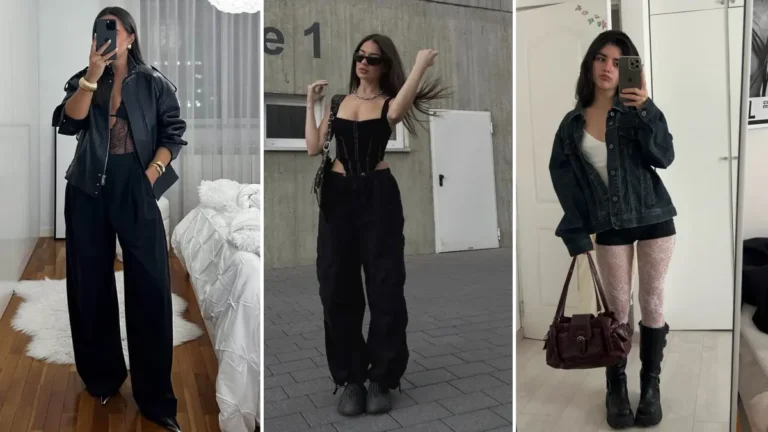
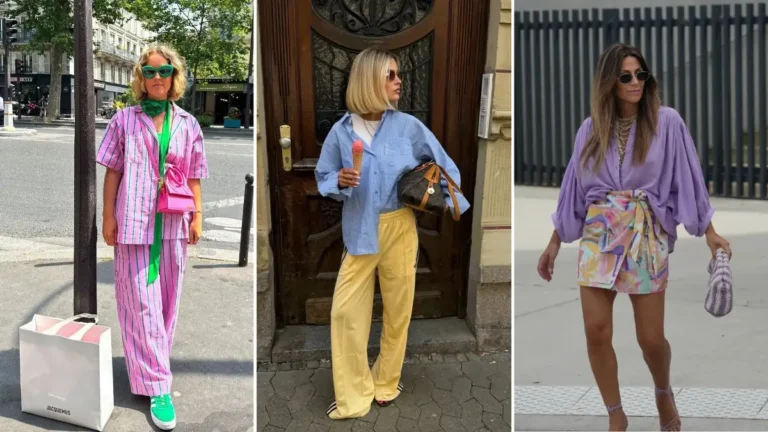
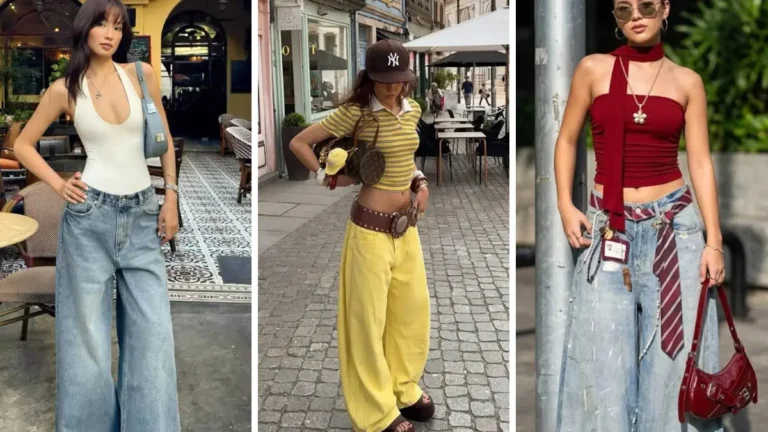
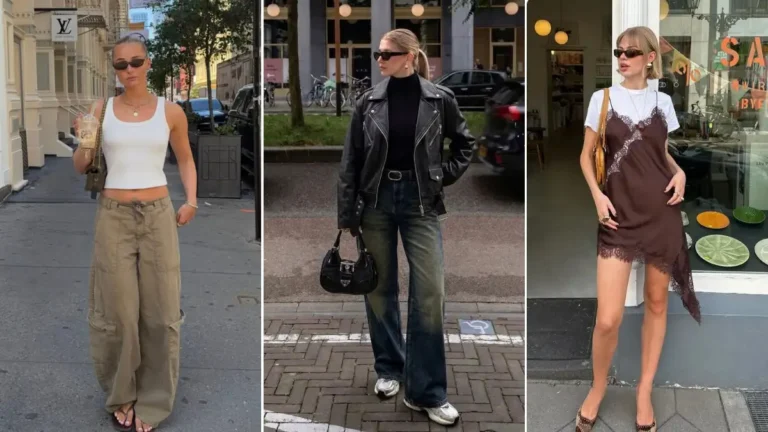
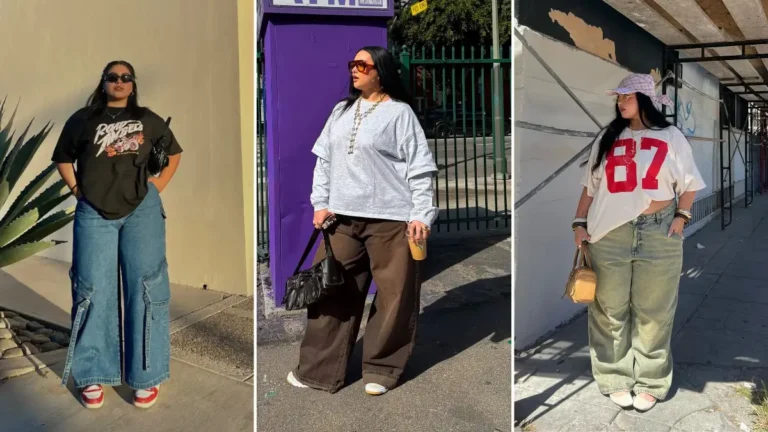
Scroll through any streetwear feed for five minutes and a pattern shows up fast. Every post is a full outfit, photographed once, never repeated. A boxy jacket, a specific pair of cargo pants, one exact sneaker, all styled together for a single shot.
Then the next post is a completely different combination, worn by the same person a day later. The unspoken message is that dressing like this means owning an endless rotation of complete, coordinated outfits. It looks nothing like the feed suggests. The same jacket shows up in a dozen different outfits.
The same sneakers get worn with half a dozen different pants. What looks, online, like constant reinvention is, in real life, a small number of pieces worn on repeat. The gap isn’t in the clothes themselves. It’s in how often people assume a new fit is required to look like they know what they’re doing.
What’s Actually Hanging in a Real Streetwear Closet?
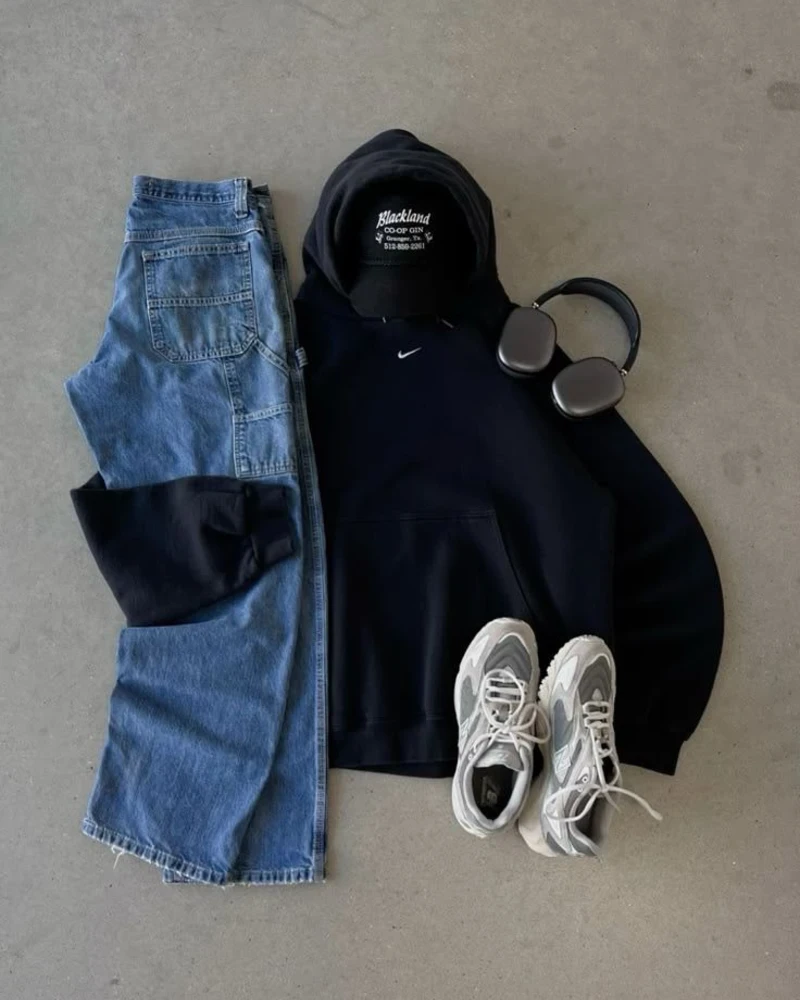
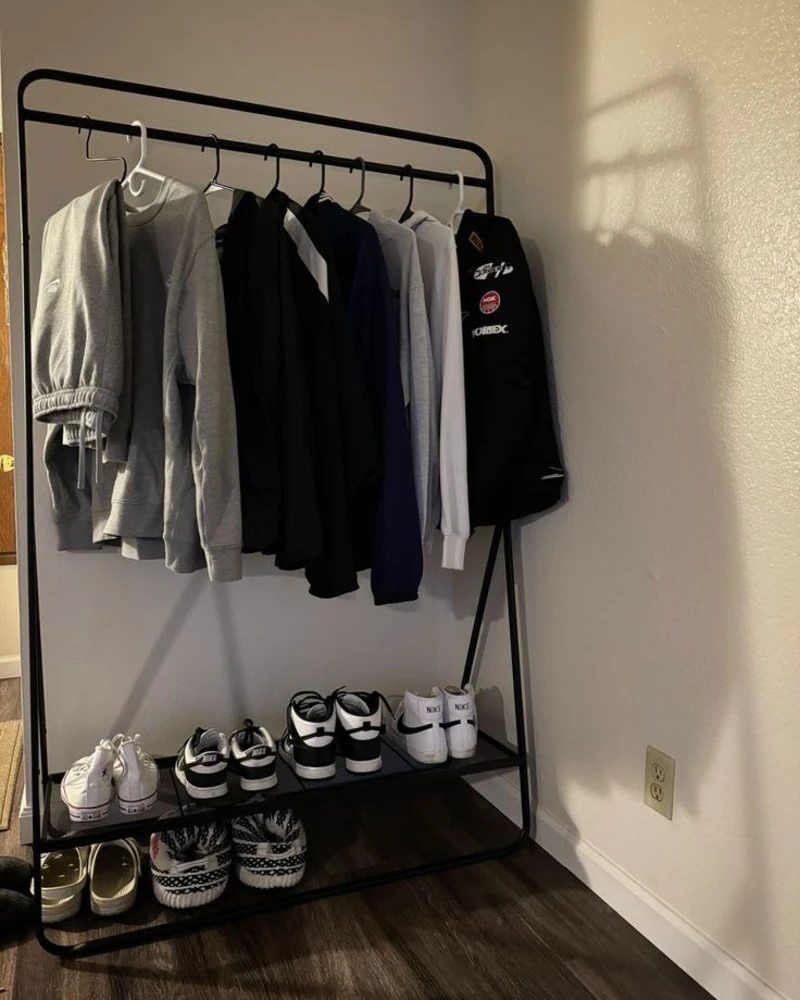
Open a real closet built around this style and the inventory is smaller than expected. One or two jackets carry most of the weight, paired with a couple of hoodies or tees worn on constant rotation. Bottoms stay just as limited, usually a pair of relaxed jeans and one pair of cargo pants, anchored by a single go-to sneaker.
Here’s the part the curated version leaves out entirely: everything surrounding those few pieces is often not streetwear at all. A plain white tee. An ordinary crewneck. Basic jeans that could belong to anyone. The identity of the outfit doesn’t come from every item being on-trend.
It comes from one or two deliberate pieces doing the visual work, while the rest is just whatever was already clean. That’s a genuinely different way of building a wardrobe than the feed implies.
Why the Same Pieces Still Look Like Streetwear?
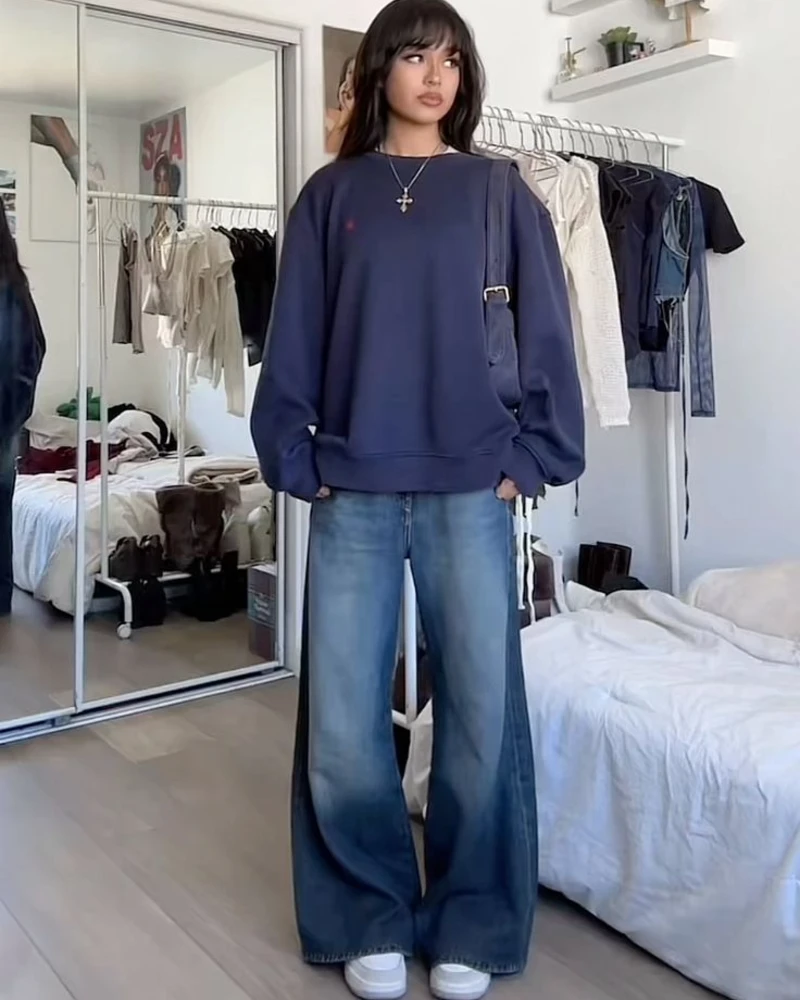
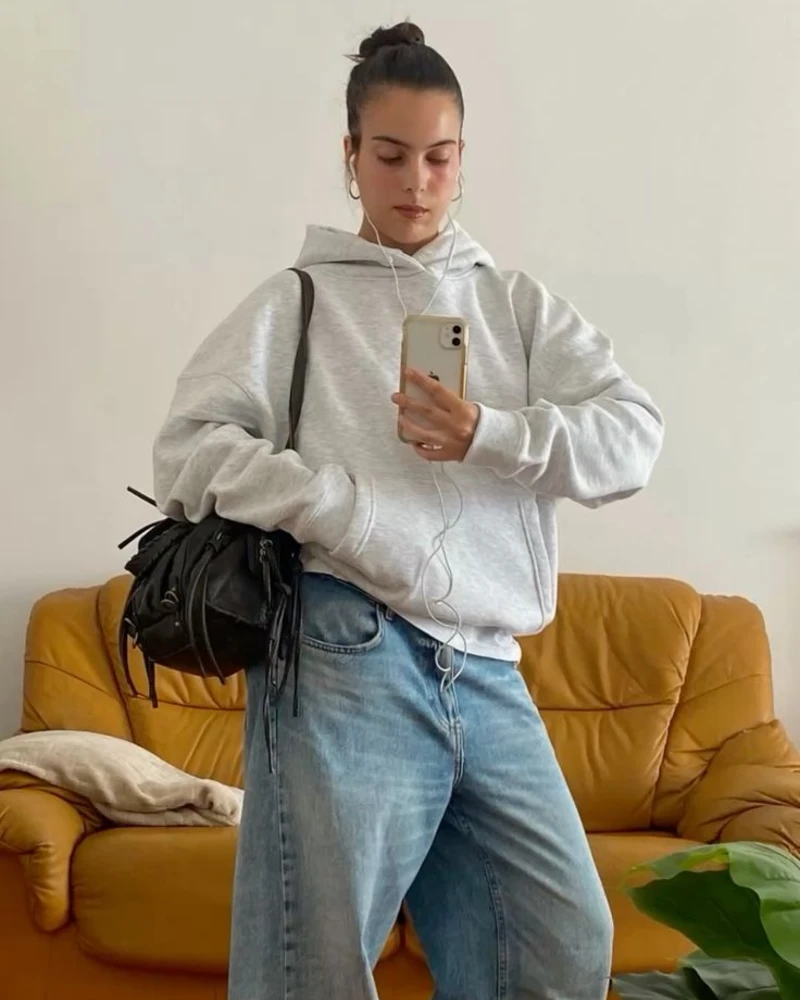
Repeating the same handful of items could easily start looking tired. It doesn’t, and the reason comes down to a few consistent visual habits rather than the specific garments involved. The first is proportion: an oversized top or jacket paired with a straighter, slimmer bottom, a ratio that holds steady even when the exact pieces change.
The second is layering used for function rather than performance. A jacket goes on because the weather shifted, or comes off because it warmed up, not because the outfit needed one more piece to look complete. That’s part of why real outfits feel less staged than the curated version: the layering follows the day, not a styling formula.
The third is the contrast between structure and softness, a stiffer jacket or cargo pant set against a faded tee or broken-in hoodie. Because these three habits stay consistent, the same handful of pieces can be recombined endlessly and still look intentional. The outfit isn’t new, the logic holding it together is just reliable.
Why One Pair of Sneakers Carries the Whole Rotation?
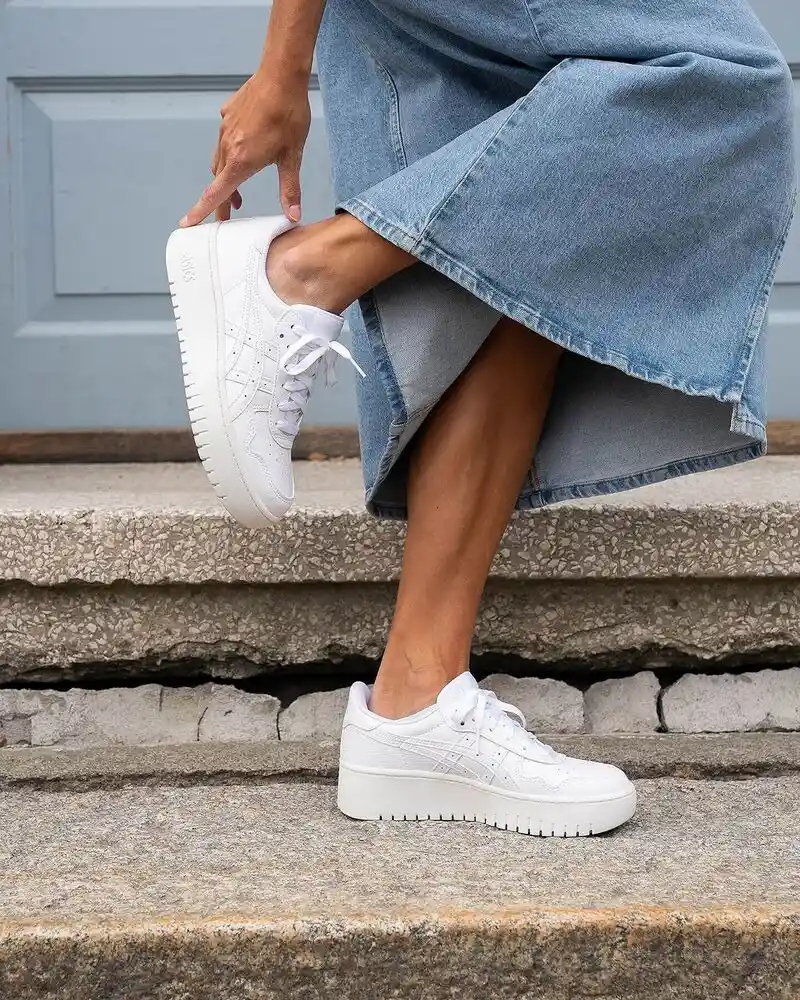
Footwear does more of this work than it gets credit for. The main sneaker in a real rotation tends to be simple: a neutral color, a straightforward shape, nothing loud enough to compete with whatever jacket or bottom is worn that day.
Curated posts often swap sneakers outfit to outfit for visual variety, treating footwear as another styling choice to refresh. In a real closet, the sneaker usually does the opposite job. It stays constant while everything else changes around it, acting as a fixed point rather than a variable.
That’s part of why outfits built in under a minute can still look coordinated: one piece isn’t being reconsidered every morning, so the rest of the outfit only has to work with something predictable.
A Week of Getting Dressed With the Same Core Pieces

Take that logic and put it into an ordinary week. On a low-effort day, it’s the go-to hoodie, the relaxed jeans, and the main sneaker, nothing rethought, just what already works together. On a colder day, the boxy jacket goes over a plain tee, added because it’s needed, not because the outfit felt incomplete.
On an errand day, the cargo pants swap in for the jeans, paired with the same sneaker and a different plain crewneck from the basics side of the closet. On a day that calls for more effort, the same jacket gets zipped instead of worn open, tightening the silhouette without a single new item.
None of it requires a new purchase, just small variations on the same core. Each shift is adjusted for weather or effort, not swapped out for something new. That’s what makes these outfits look consistent day to day without ever feeling repetitive to wear.
How the Same Pieces Adapt Across Seasons?
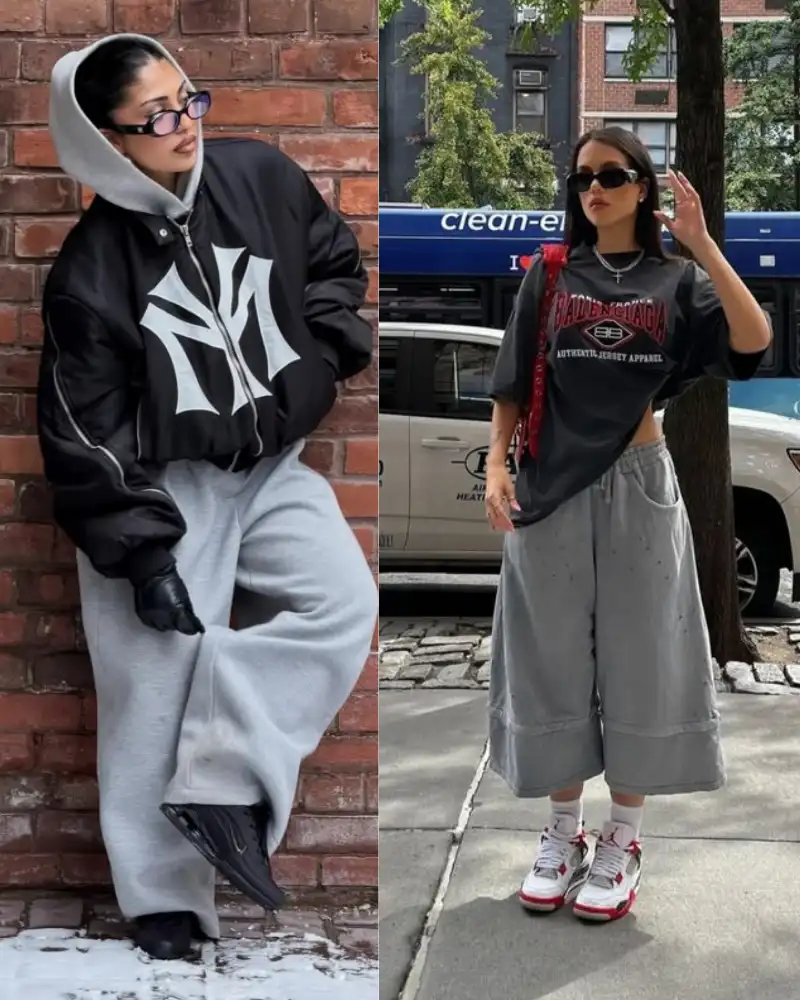
The core rotation doesn’t get replaced when the weather changes, it gets adjusted. In colder months, a thermal layer goes underneath the hoodie and the jacket stays zipped instead of open, but it’s still the same jacket. In warmer months, the cargo pants might get swapped for shorts and the jacket gets left home entirely.
The same tee and the same sneaker carry over unchanged. The anchor pieces, the main jacket and the main sneaker, often stay in rotation across the whole year. What changes is how much gets layered around them, not which pieces are considered in season.
That’s a quieter kind of consistency than a seasonal wardrobe refresh, and it’s a big part of why the closet still feels coherent twelve months in.
Building This Into Your Own Closet
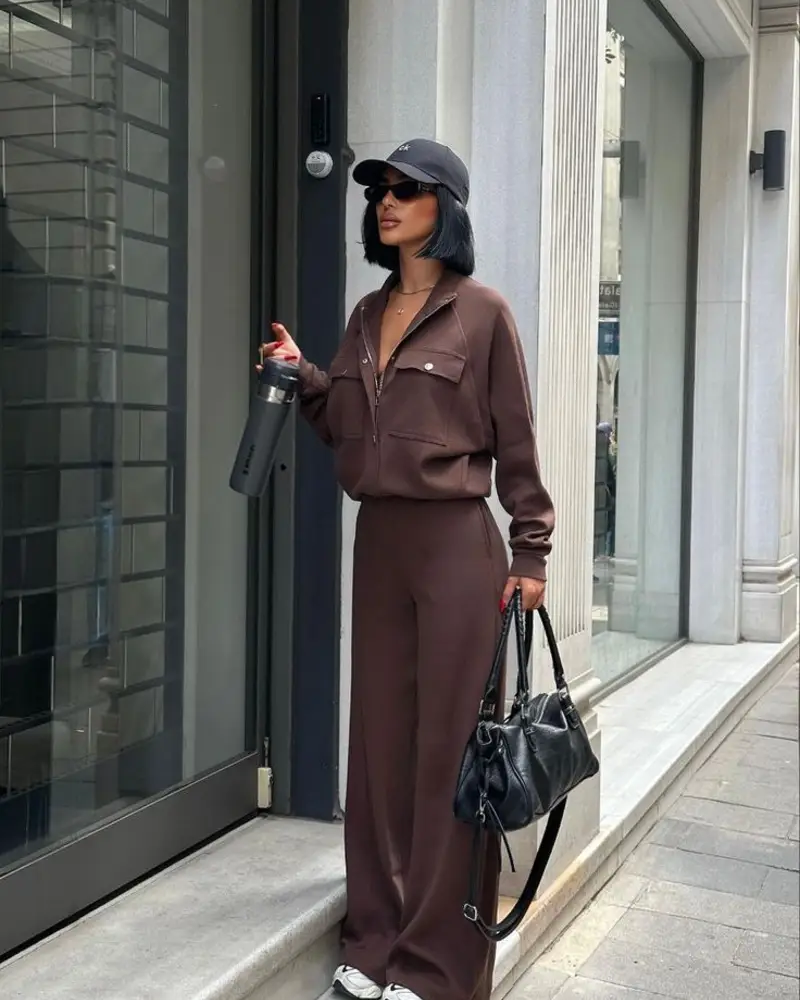
None of this requires overhauling a wardrobe or chasing the exact pieces seen in curated posts. It starts with picking one or two pieces worth paying real attention to, something with enough presence to anchor an outfit on its own, whether that’s a jacket with real shape or a sneaker that works with almost everything else already owned.
From there, the job is mixing that piece deliberately with the plain basics already in the closet rather than waiting to assemble a full, matching look before getting dressed. The instinct to build a complete new outfit before trying a style is exactly what the curated version of streetwear trains people to feel, and it’s the instinct worth letting go of.
A closet that repeats the same jacket, the same sneakers, and the same two or three basics isn’t a smaller or less legitimate version of the trend. It’s the actual, working version of it, built for wearing every day instead of photographing once.