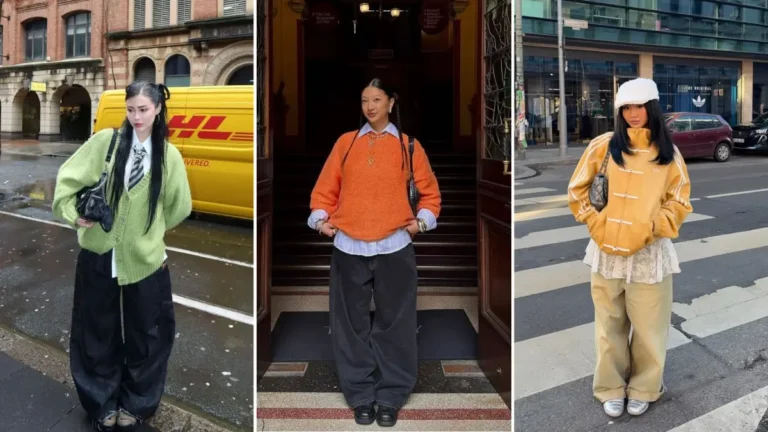
Fall Streetwear Outfit Ideas That Work From Warm Afternoons to Chilly Evenings
Picture a boxy tee, wide-leg trousers, and chunky sneakers. At 2 pm, it’s exactly right: the sun is out, the fabric moves, nothing feels heavy. By 7 pm, the wind has picked up, your arms are bare, and you’re hugging yourself on the walk home. The usual fix is to throw a jacket in your bag and hope for the best.
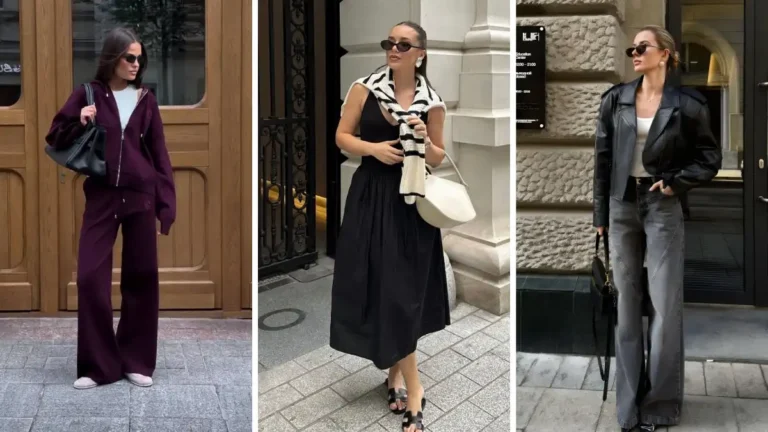
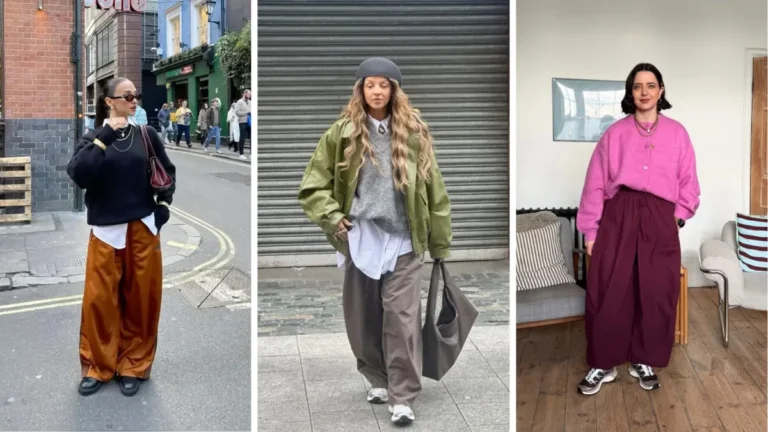
The better fix is in how the outfit is built. Streetwear’s oversized, layer-friendly shapes let one outfit be reconfigured through pieces you can open, remove, and re-add. The weather-proofing lives in the layering system, not in any single garment.
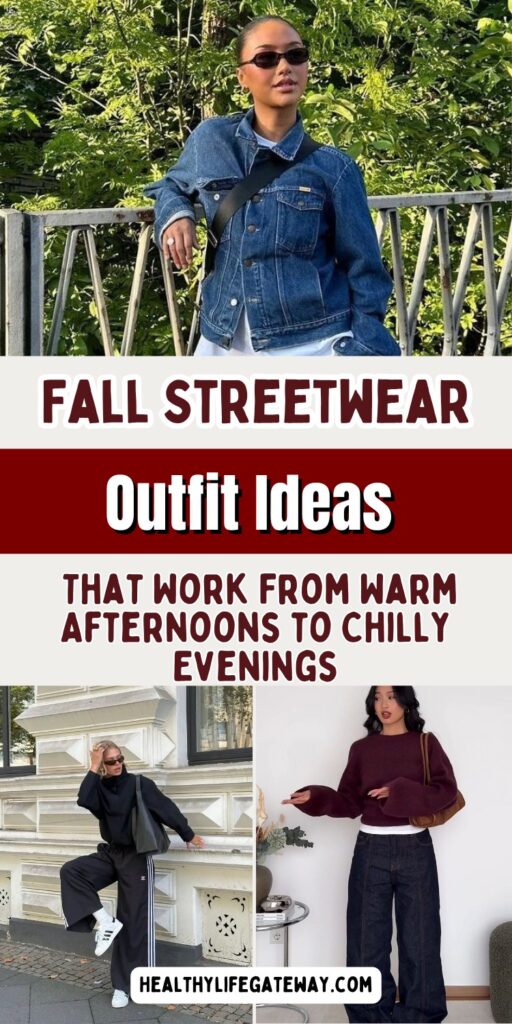
Fall’s Temperature Swing Is a Layering Problem
Most people solve a big temperature swing by adding stuff: a bigger bag, a spare layer, a coat they carry for six hours. A smarter approach is to build the outfit in parts that come off and go back on without breaking the look. Streetwear is unusually good at this.
Oversized tees, boxy overshirts, and roomy outerwear are cut with space between the body and the fabric, so one piece can sit over another without squeezing. Relaxed proportions also hide the extra volume of layers. A slim silhouette would show every added piece as bulk.
The structure has three parts: a base layer that is comfortable in afternoon warmth, a mid layer you can open, remove, or tie, and a detachable outer layer for the evening. Each one is easy to carry, and each one still looks right when the layer above it is gone.
Start With a Base Layer That Works in Afternoon Warmth
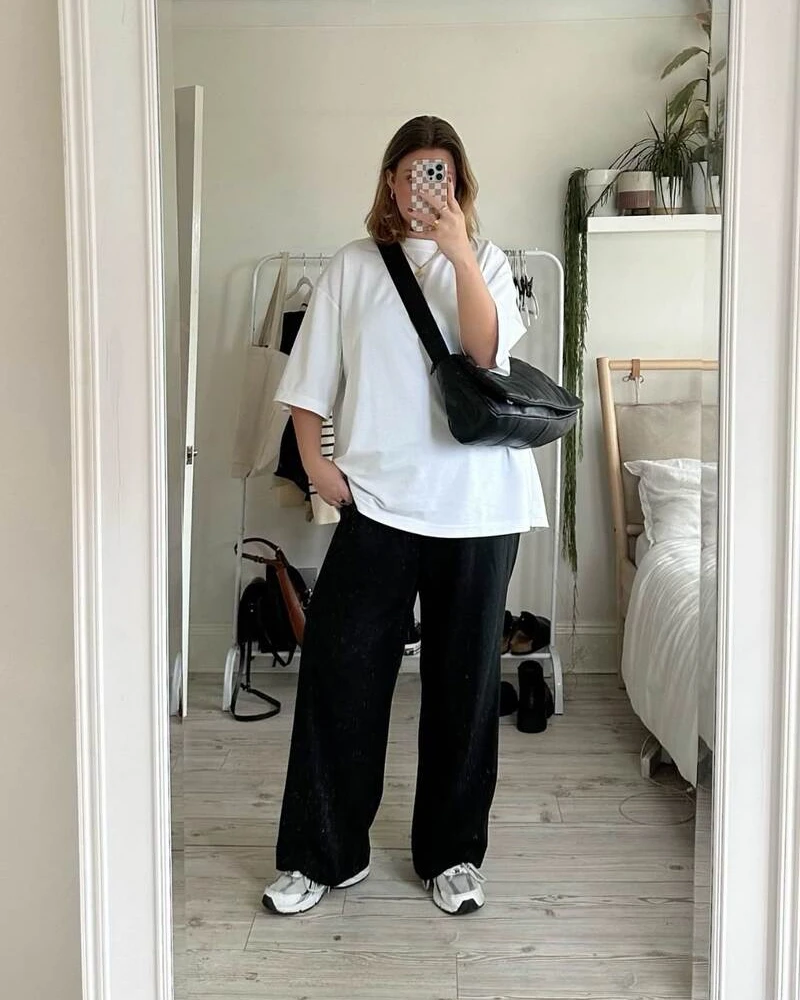
Whatever you wear underneath has to look finished on its own, because for the warmest hours of the day it is the whole outfit. A graphic tee, a heavyweight tee, or a lightweight long-sleeve with relaxed trousers or cargos all work.
Fabric matters more than the garment here. Breathable cotton and mid-weight jersey stay comfortable when the sun is out. Dense synthetics trap heat and turn a pleasant afternoon into a sticky one.
Proportion at the base sets up everything on top. An oversized tee over straight or wide-leg bottoms creates one loose, even block of volume, which gives the layers above room to drape instead of bunch.
The Mid Layer Does the Real Work
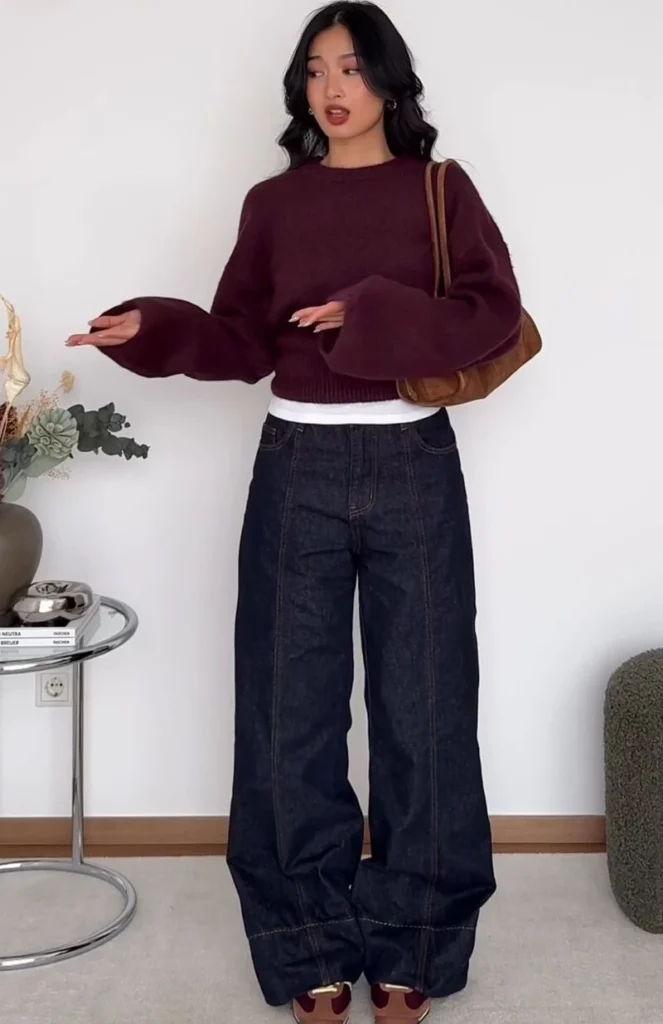
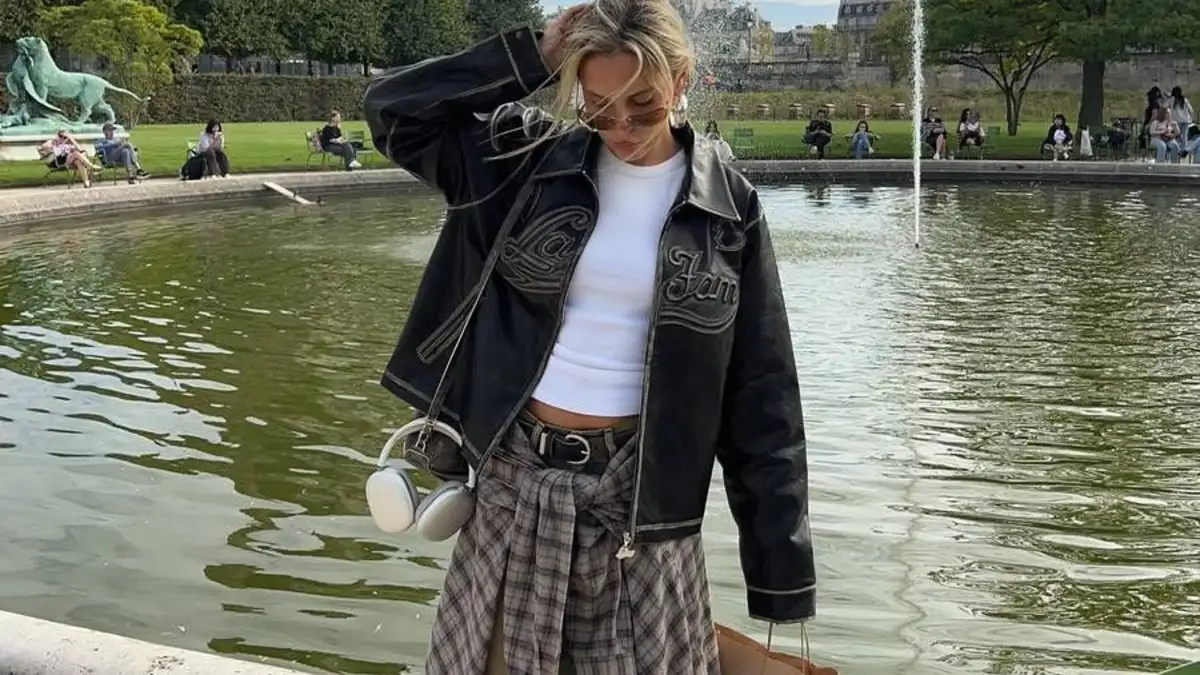
This is the piece that makes the whole outfit adjustable. A zip-up hoodie, overshirt, flannel, or cardigan can be worn, opened, tied at the waist, or folded into a bag. Open-front pieces beat pullovers because they adjust without coming off: unzip at 3 pm when the sun hits, zip up at 6 pm when the light drops.
Proportion decides whether the mid layer looks intentional. Let the tee hang a few inches below an overshirt, or let a hoodie end above a longer tee. The staggered lines make each layer visible, which reads as styled rather than piled on.
The mid layer also changes how the outfit looks. Worn open, it frames the base and the look feels loose. Zipped or buttoned by evening, it becomes the visual center. That’s one outfit with two silhouettes and no change of clothes.
Outerwear You Can Take Off Without Ruining the Outfit
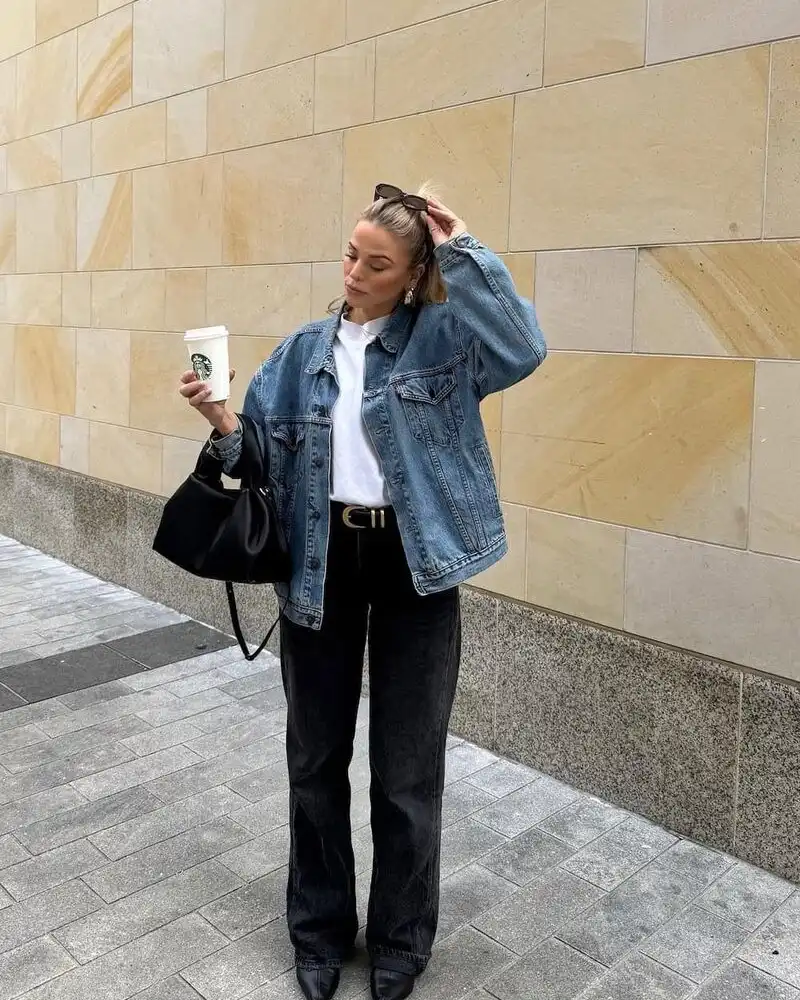
The outer layer is evening insurance, so it should be easy to live with in the afternoon. A bomber, coach jacket, denim or work jacket, or light puffer suits this swing better than a heavy parka. These block wind and add warmth without much weight, and they fold into a bag or hang off an arm.
The real test is what the outfit looks like with the jacket off. If the base and mid layer only make sense under the jacket, you’ve built a coat with a few extras. The outfit should feel complete without it, with the jacket as the bonus.
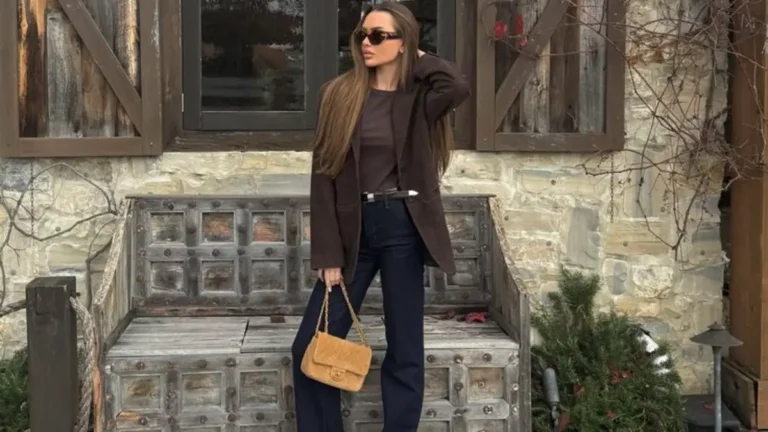
Color and texture keep the full look readable. A matte nylon jacket over soft flannel gives a clear contrast in surface. A denim jacket over a dark hoodie creates a visible break between tones. When the outer layer matches the mid layer in weight and color, the two blur into one lump. Contrast keeps each layer distinct.
Four Outfits That Show the System Working
Each look below names the piece that does the adjusting.
1. Relaxed and Neutral
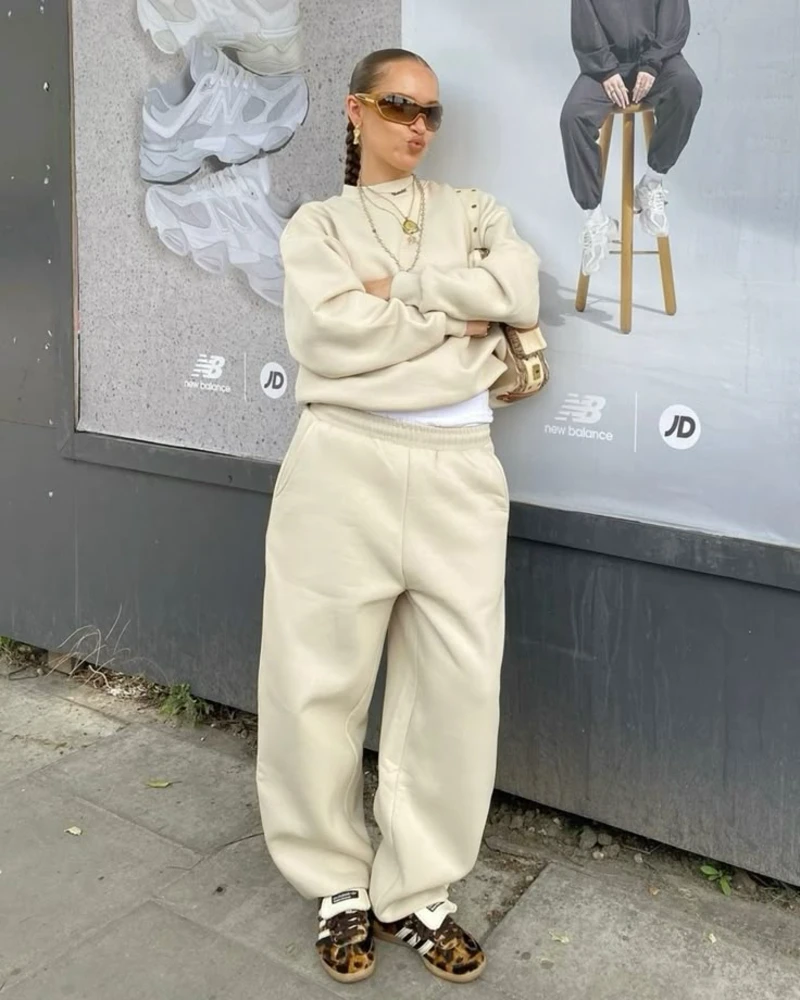
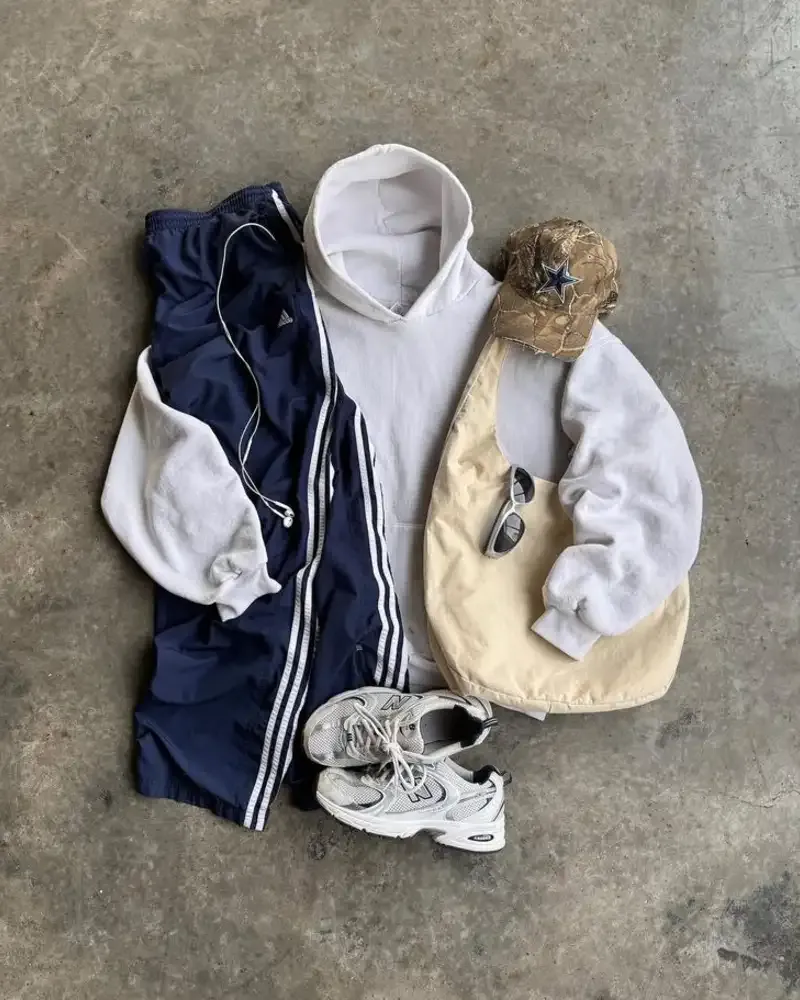
Base: an oversized off-white tee with wide-leg khaki trousers. Mid layer: a grey zip-up hoodie. Outer layer: a black bomber. Footwear: chunky white sneakers. In the afternoon, the hoodie hangs open or ties at the waist. In the evening, it zips up, and the bomber goes on top. The adjuster is the hoodie zip.
2. Graphic and Bold
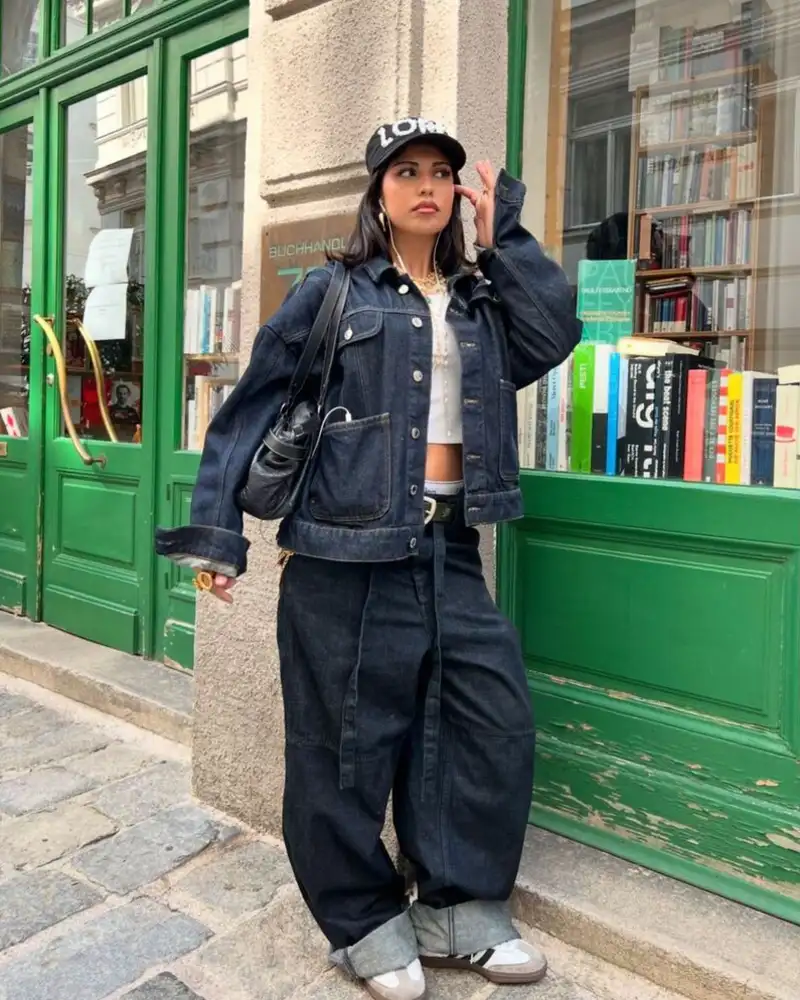
Base: a printed heavyweight tee with baggy dark denim. Mid layer: a lightweight black overshirt. Outer layer: a cream coach jacket. Footwear: skate shoes. Worn open, the overshirt frames the print and keeps it as the focal point. Buttoned under the coach jacket at night, the print shrinks to a flash at the collar. The adjuster is the overshirt.
3. Workwear-Leaning
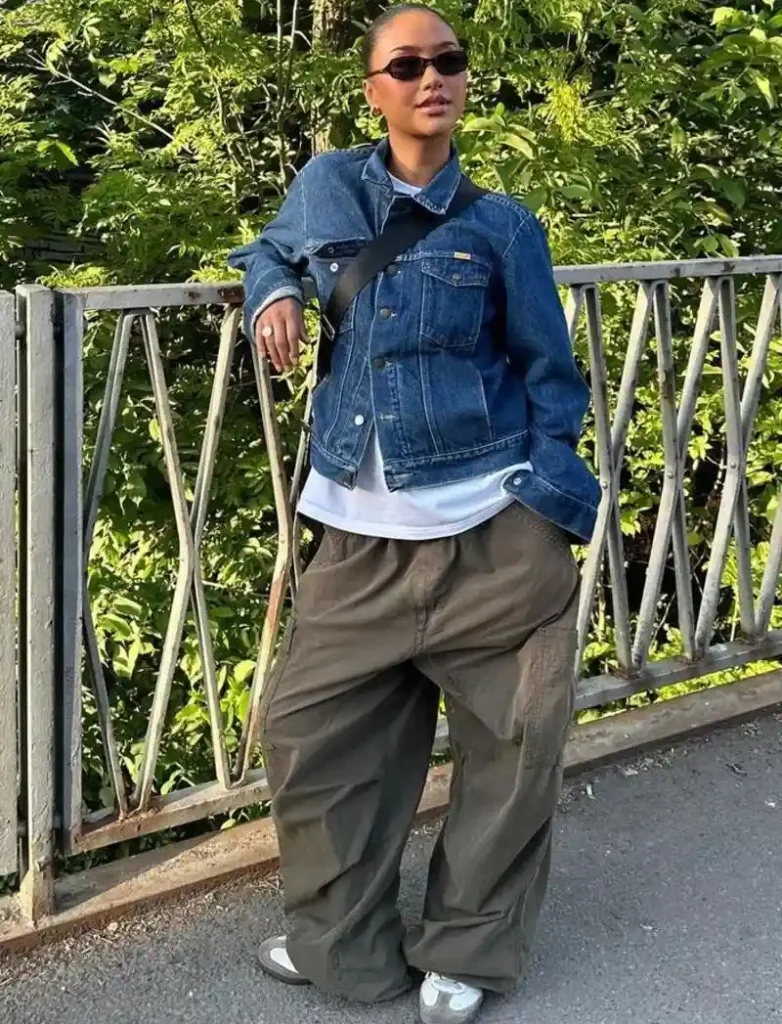
Base: a washed brown long-sleeve tee with straight-leg cargos. Mid layer: a flannel shirt. Outer layer: a denim work jacket. Footwear: leather boots. The flannel ties at the waist in the afternoon and goes on, half-buttoned, under the jacket by evening. The adjuster is the flannel.
4. Sporty
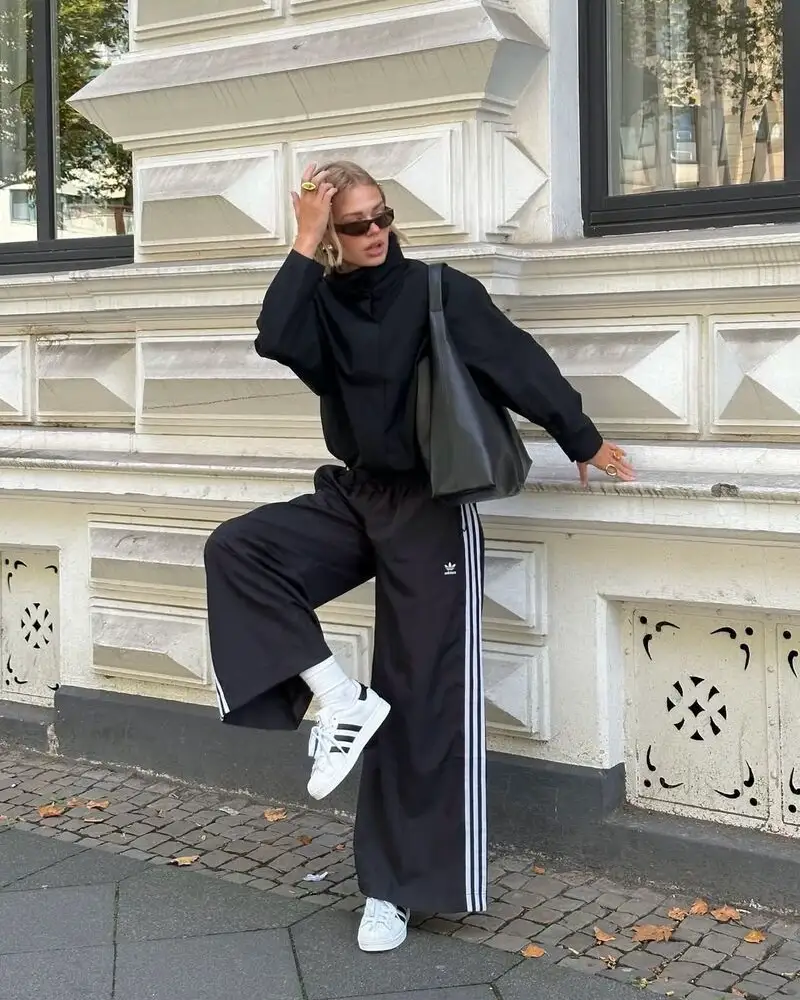
Base: a jersey tee with relaxed track pants. Mid layer: a zip-up track jacket. Outer layer: a light puffer. Footwear: running-style sneakers. The jacket stays open while it’s warm and zips to the chin when it cools. The adjuster is the track jacket’s zip.
Small Finishing Choices That Keep You Comfortable
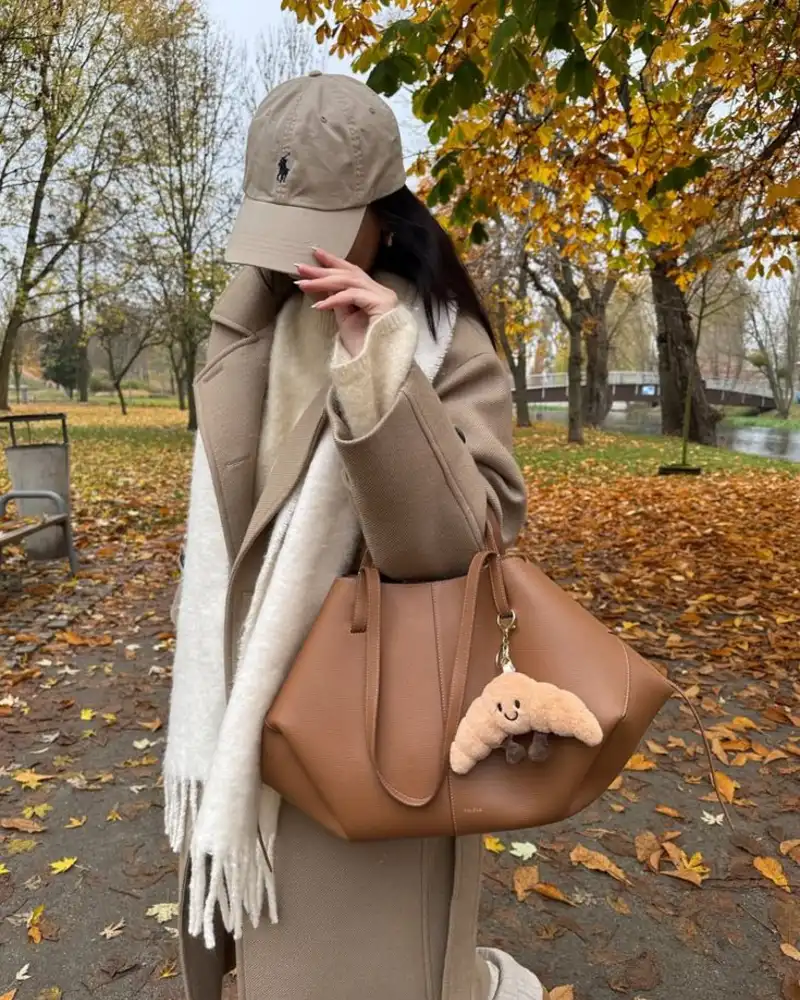
Footwear has to last the whole day. Chunky sneakers, skate shoes, and leather boots all handle the range, and a thicker pair of socks in your bag is an easy evening upgrade. Accessories work as removable warmth: a beanie or scarf adds heat in seconds and disappears into a pocket.
And a roomy tote holds whatever you’ve just taken off. Keep the palette simple, with neutral layers and one accent color. That way, any mid-layer will sit comfortably under any outer layer, which makes mixing from what you already own easy.