How to Restyle Your Daily Wardrobe Without Buying Anything New: Simple Tips to Refresh Your Look
You open the closet. It’s full. And somehow you still feel like you have nothing to wear. That feeling isn’t really about your clothes. It’s about repetition. The same shirt goes with the same jeans, tucked the same way, finished with the same shoes. Your closet isn’t stale. The combinations are.
Every technique in this guide changes how existing pieces relate to each other: how they sit, how they layer, how they pair, how they finish. None of it requires spending a dollar. It just requires looking at what you own with slightly different eyes.
How to Restyle Your Daily Wardrobe Without Buying Anything New: Simple Tips to Refresh Your Look
Change the Proportion, Change the Outfit
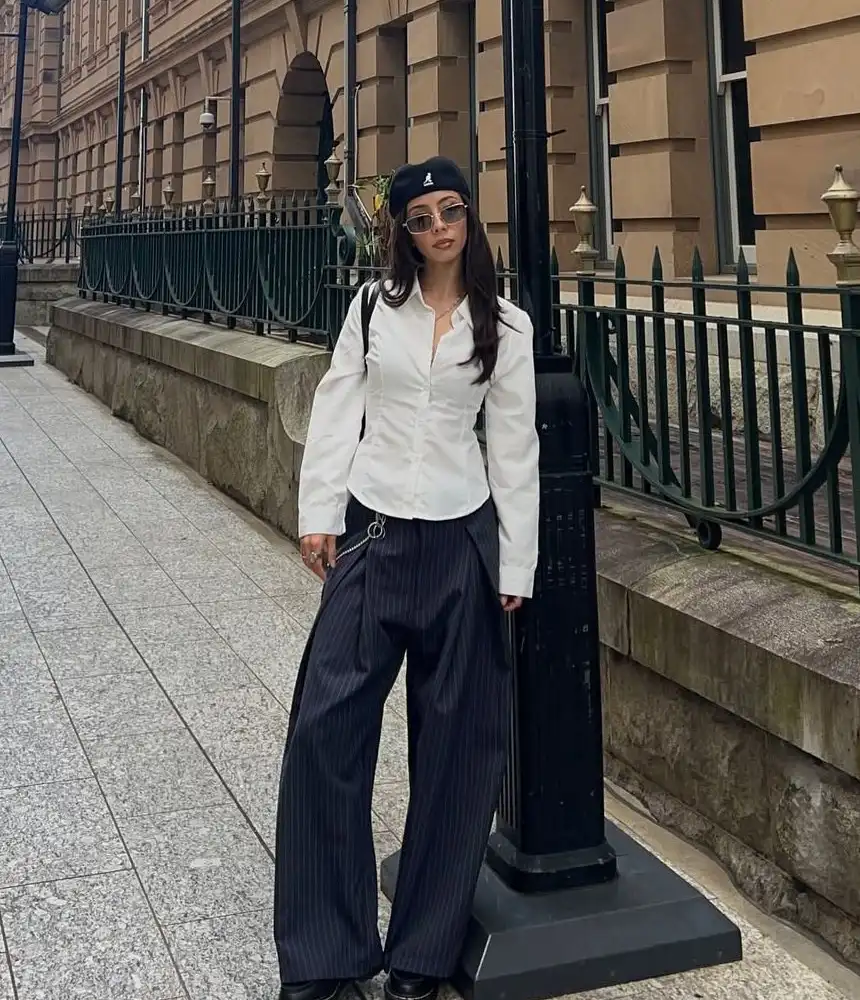
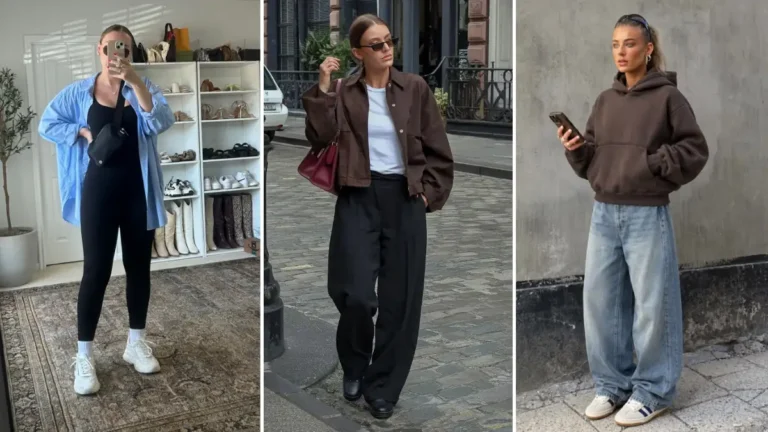
Proportion is the single biggest thing you can shift in any outfit, and it costs nothing. Most outfits fall into a routine: same tuck, same length, same volume, worn the same way every time. Untucking a shirt reads relaxed and slightly oversized through the hips.
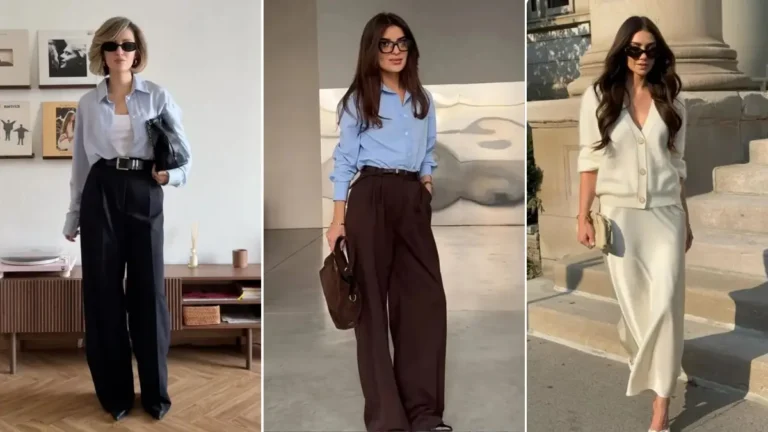
Tucking that same shirt in, especially with a belt, redraws the waistline and makes the exact same top look put together and structured. Try this with a button-down you already wear loosely. Tuck it in fully, front only, or in a half-tuck on one side. Add a belt if you have one. The shirt hasn’t changed. The silhouette has.
Your eye now reads a defined waist instead of one long rectangle of fabric, and the outfit suddenly looks intentional instead of thrown on. The same logic works with an oversized cardigan or sweater. Left open and loose, it adds bulk and softens your whole shape.
Belted at the waist, that same sweater becomes a shaped piece with a top half and a bottom half, a completely different visual story from the same garment. Cuffing sleeves, rolling hems, or letting a longer layer show slightly beneath a shorter one all do the same job.
Layer With Intention
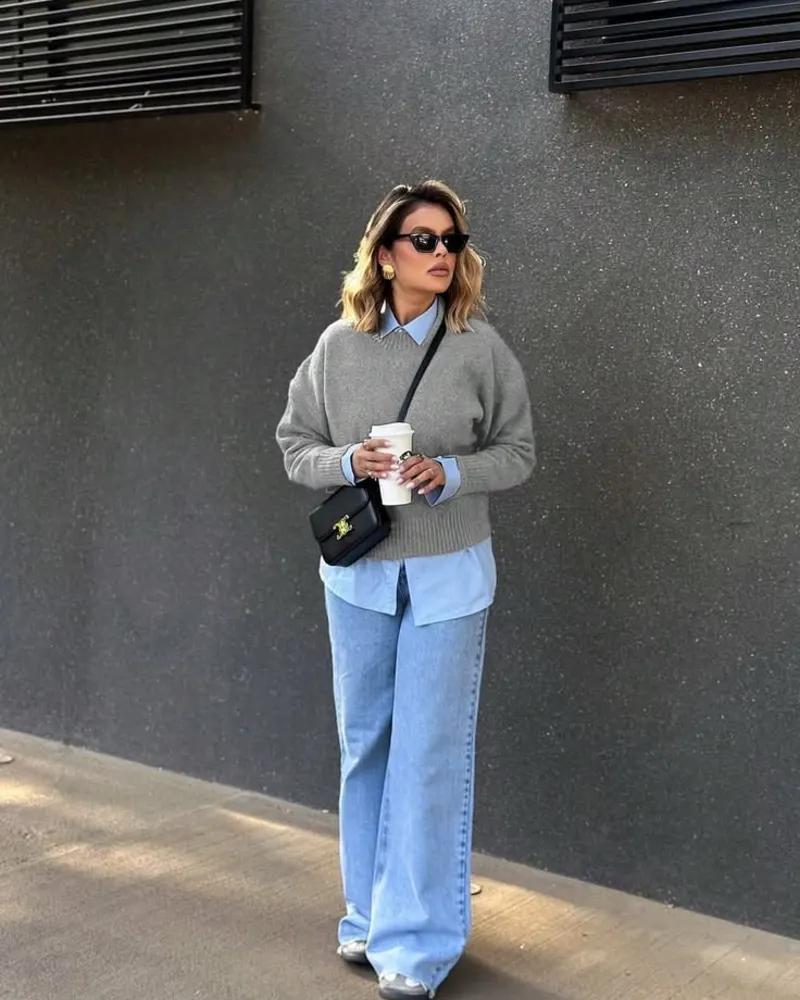
Layering isn’t just about staying warm. It’s about adding depth that a single piece can’t provide on its own. The easiest shift is adding a layer you own but rarely reach for. A collared shirt worn under a crewneck sweater, with just the collar and cuffs peeking out, gives a plain sweater texture and structure it didn’t have alone.
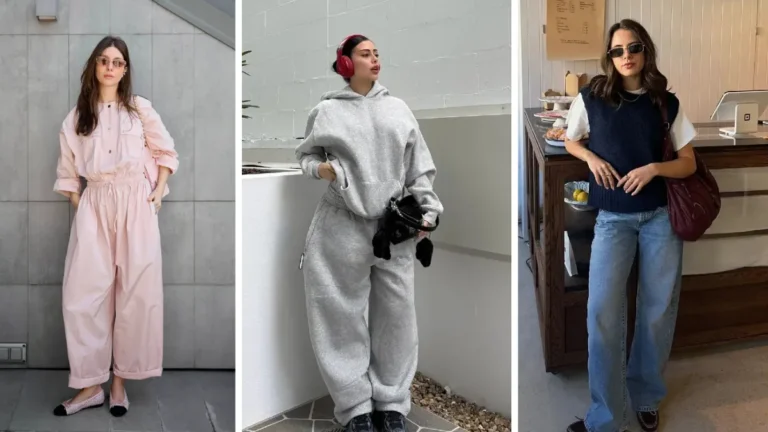
A vest worn over a simple shirt adds a second silhouette line down the middle of your body, which breaks up what would otherwise be one flat shape. Layering also lets you change how formal or casual something feels without touching the base outfit.
Tying a jacket around your waist instead of wearing it turns outerwear into an accent piece and softens the whole look. Draping it over your shoulders does the opposite: it adds structure and reads more polished, even over the same t-shirt and jeans you wear every day.
The key is contrast. Pair a fitted layer with a loose one, or a structured piece with a soft one. Two pieces of the same weight and shape tend to blur together. Two pieces that contrast in texture or fit create the visual interest that makes an outfit look considered.
Re-Pair Pieces You Wouldn’t Normally Combine
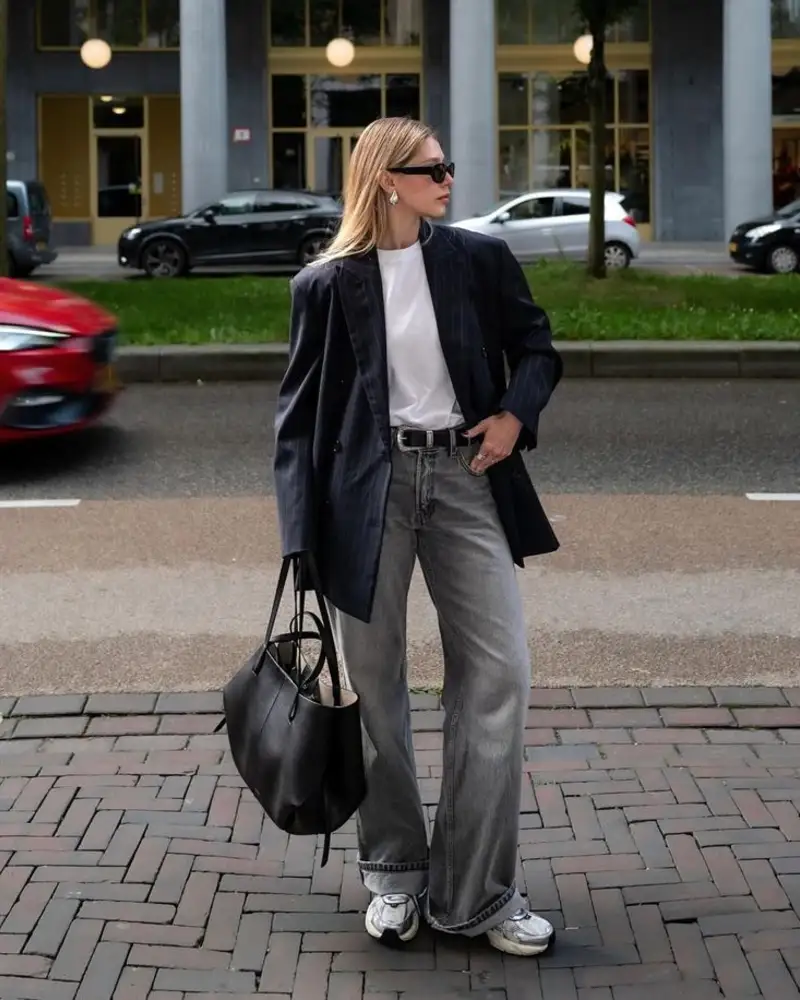
Most closets have invisible rules. The blazer goes with trousers. The dress goes with heels. The set gets worn together or not at all. Breaking those rules is one of the fastest ways to make familiar clothes feel new, because you’re generating a combination your eye hasn’t already filed away as ordinary.
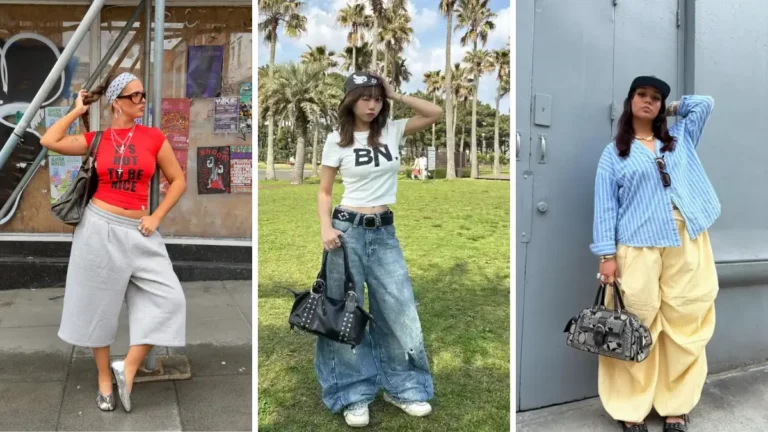
Take a blazer you normally wear with dress pants. Pair it with jeans and sneakers instead. The formality of the blazer meets the ease of denim and sneakers, and the contrast between dressy and casual becomes the whole point of the outfit rather than an accident.
Matching sets work the same way. A two-piece outfit worn together reads as one unit and stops registering as two separate garments. Split the set apart. Wear the top with different bottoms, or the bottoms with a different top, and each piece gets to function as its own item again.
Doubling what you can do with the same two garments. This works because your eye recognizes outfits as whole patterns, not individual pieces. Once you break an established pattern, even slightly, the outfit reads as new, even though nothing in your closet actually is.
Give a Piece a New Job
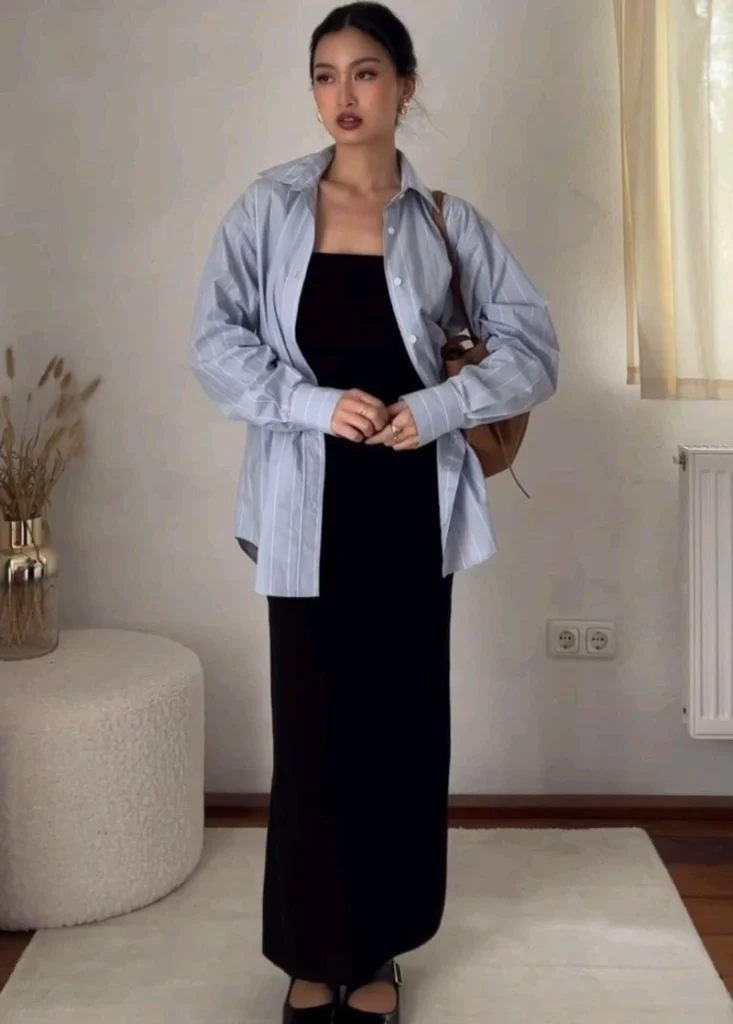
Most clothes get worn the way they were sold to you. A dress is worn as a dress. A blazer stays a blazer. But nothing stops a garment from doing a different job than the one it was designed for, and that shift changes how the whole outfit reads.
A shirtdress, left unbuttoned and worn open over a plain t-shirt and jeans, stops being a dress and becomes a lightweight jacket. The silhouette changes completely: instead of one long shape covering your body, you now have three visible layers stacked in a way that adds structure and movement.
A slip dress works the same way tucked under a sweater. What used to be the whole outfit becomes a skirt, and the slip’s fabric and slight sheen peeking out below the sweater add a texture you wouldn’t get from a plain skirt. A large scarf can leave the neck entirely and become a belt.
Tied around the waist over a dress or a pair of trousers. The same scarf can also gather your hair back as a headband. In every case, the garment hasn’t changed. Its role has, and that’s often more noticeable to the eye than a new proportion or a new pairing would be.
Let Accessories and Footwear Do the Heavy Lifting
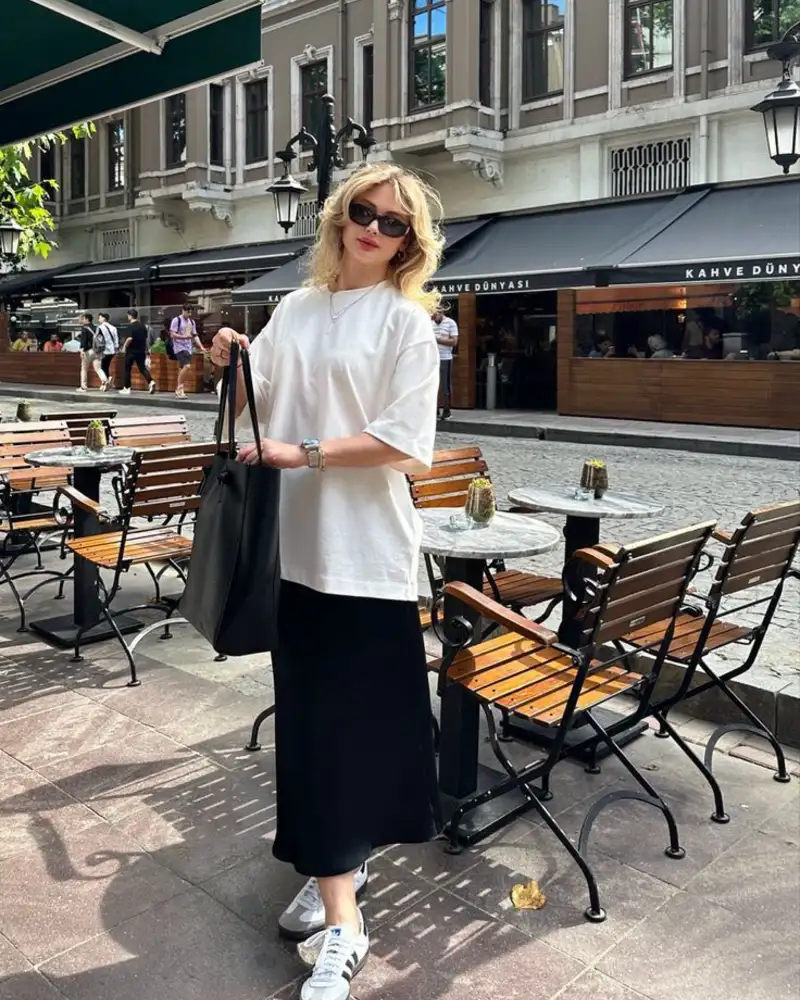
If proportion, layering, and re-pairing take more effort, this is the low-effort version. Small changes in what finishes an outfit can shift its entire tone. Footwear carries a lot of that weight. The same dress looks completely different in flat sandals than it does in heels.
Not because the dress changed, but because footwear sets the formality level your eye reads first. Sneakers under a dress soften it into something casual and easy. A heeled sandal or boot signals the opposite, pushing the same silhouette into evening territory.
Jewelry, bags, and belts work in smaller ways but add up. Swapping a plain outfit’s simple stud earrings for something layered and textured, or trading an everyday bag for a smaller structured one, changes the finishing detail without touching the base layer at all.
A scarf added at the neck introduces color, texture, or pattern to an outfit that would otherwise be one flat block of fabric. None of this requires new purchases if you already own a few varied options. The point is to actually use what’s sitting in a drawer instead of defaulting to the same pair of shoes or the same bag every time.
Try Color Combinations You’ve Been Avoiding
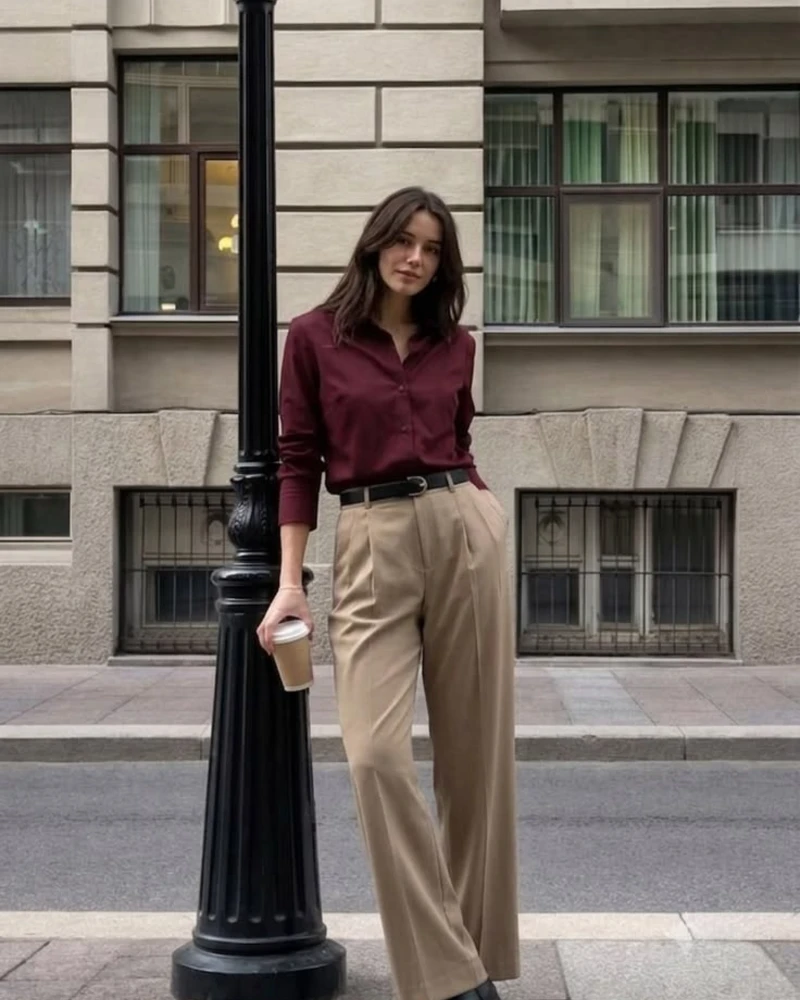
Most people default to two or three safe color pairings and repeat them without noticing. Breaking that habit is free, and it changes an outfit as much as any structural technique. Tonal dressing is the easiest place to start. Instead of matching one solid color to another, pair different shades within the same color family.
A burgundy top with a lighter rust or pink bottom, or a deep olive piece with a lighter sage one. Because the shades are related, the eye reads the outfit as coordinated rather than random, even though the pieces are two different colors.
Pattern mixing works on a similar principle. Two patterns that seem unrelated will often work together if they share one color. A striped top and a floral skirt can look chaotic on their own terms, but if both include the same shade of navy or red, that shared color acts as a bridge and ties the whole outfit together.
This is also a good moment to use the loud piece sitting untouched in the closet, the bold print or bright color you own but rarely reach for. Worn as an accent against neutral pieces, instead of avoided altogether, it becomes the most interesting part of the outfit rather than something that feels risky to wear.
A Simple Way to Start Today
You don’t need to apply every technique at once. Pick one piece you already wear often- a shirt, a sweater, a dress- and choose a single technique from above: tuck it differently, layer something under or over it, pair it with something unexpected, or change the shoes you’d normally wear with it.
Notice what actually changes. You’ll likely find that a small shift in proportion or pairing does more than you’d expect, because your eye is responding to the new relationship between pieces, not to anything new in the closet itself.
Once that feels familiar, add a second technique next time. Refreshing a wardrobe this way isn’t a one-time project. It’s a habit of looking at the same clothes and asking what relationship between them you haven’t tried yet. The clothes were never the problem. The repetition was, and that’s the one thing you have full control over.